PayPal Review: A Trusted Name in Online Payments, With a Few Trade-Offs
PayPal is one of the most recognized payment brands in the world, and for many online shoppers, seeing the PayPal button at checkout is itself a trust signal. That brand recognition is arguably PayPal’s single biggest asset as a payment gateway. For merchants, offering PayPal alongside a card option is less about features and more about reducing checkout hesitation from buyers who simply prefer it.
What makes PayPal appealing for businesses, especially smaller ones, is how little setup it demands. You don’t need a developer to add a working PayPal button to a site, and most major ecommerce platforms have native PayPal integration built in. For sellers who want to start accepting payments quickly without touching code, this is a real advantage over more technical processors.
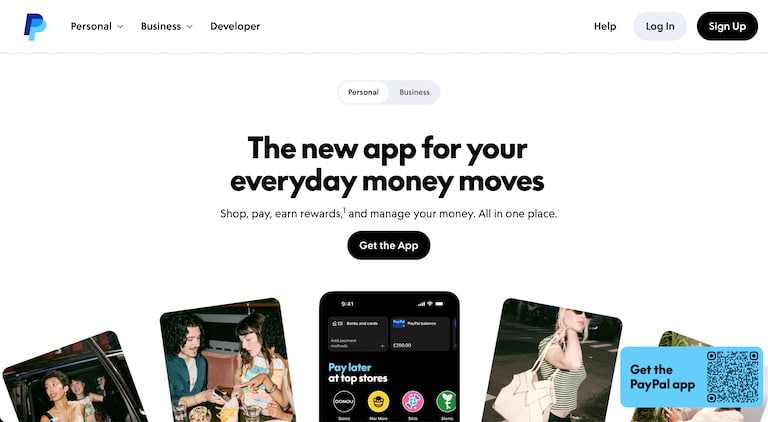
One of PayPal’s most useful features is its flexibility across payment methods. Buyers can pay from a PayPal balance, a linked bank account, a card, or PayPal’s “Pay Later” installment options, all without leaving your checkout flow. This breadth can help conversion, since customers get to choose whichever method they trust most rather than being limited to cards.
Buyer and seller protection is another point in PayPal’s favor. PayPal’s dispute resolution system and purchase protection programs give both sides of a transaction a degree of reassurance, which matters for new ecommerce stores trying to build credibility with first-time customers.
The trade-offs are mostly around cost and complexity. PayPal’s fee structure is notoriously layered. As of August 2026, PayPal charges 3.49% plus a $0.49 fixed fee for branded checkout options like PayPal Checkout and Pay with Venmo, while standard card payments processed without chargeback protection run lower, and Pay Later transactions cost more again. Sellers who don’t dig into the fee schedule can easily end up paying the most expensive rate by default, simply because PayPal Checkout is the path most buyers click first.
Account holds and reserves are the other recurring frustration. PayPal applies risk controls that occasionally freeze funds or flag accounts for review, particularly for new sellers or businesses in categories PayPal considers higher risk. When that happens, it can disrupt cash flow at exactly the wrong moment, and getting a hold released isn’t always fast.
Overall, PayPal remains a strong choice for ecommerce businesses that want broad buyer trust and an easy setup, particularly smaller stores and those just getting started. Larger or more cost-sensitive businesses may want to pair it with a lower-fee processor for card payments and offer PayPal only as a secondary option, capturing the brand-trust benefit without defaulting every transaction to its highest rate.
Pros of PayPal
- Extremely high brand recognition and buyer trust
- Fast setup with no developer required for basic integration
- Supports multiple payment methods including balance, bank, card, and Pay Later
- Built-in buyer and seller dispute protection
- Works natively with most major ecommerce platforms
- Good option for international payments and currency acceptance
Cons of PayPal
- Fee structure is layered and easy to misunderstand
- Branded checkout is often the most expensive option by default
- Account holds and reserves can disrupt cash flow
- Dispute and chargeback fees add up for businesses with high return rates
- Less developer flexibility than processors built around APIs
- International and currency conversion fees stack on top of standard rates
Final Verdict
PayPal earns its place as one of the most widely used payment gateways for one simple reason: buyers trust it. For smaller ecommerce businesses or anyone prioritizing fast setup and broad payment flexibility, it’s a dependable choice. Cost-conscious or higher-volume merchants should look closely at the fee schedule and consider using PayPal as one option among several rather than the default.