Wix: What It Is, How It Works, and What It Costs
Most people who want to sell online run into the same problem. They have something to sell but no site, no way to take payments, and no time to piece together a dozen tools to make it work. Wix was built to solve that from a different angle than most ecommerce platforms: it started as a website builder, then added the store on top. This page covers what Wix is, how people actually use it, what the 2026 plans cost, and where it falls short.
What Wix Is
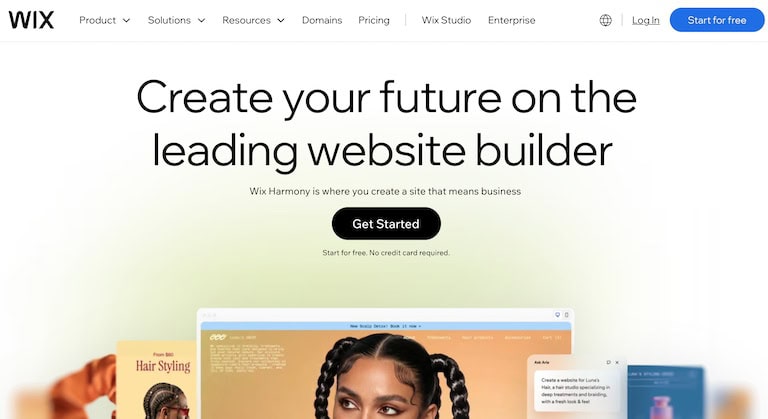
Wix is a hosted platform for building a website, with a store built in when you need one. You pay a monthly fee, and Wix handles the hosting, the security, and the tools to design your site and run your shop. There’s no server to set up. You log into a dashboard from your browser, build the site with a drag-and-drop editor, add your products, and publish.
Wix has over 282 million registered users worldwide, and more than 8.5 million of its sites are live at any given time. Around 3 million of those run a store through Wix eCommerce. It’s used by solo shop owners, service businesses, and larger brands that want design control without hiring a development team.
How People Use It
The usual path starts with a template, or with Wix’s AI tool, which can put together a working site from a short description of your business in a few minutes. From there, you add products with photos and prices, set your shipping rules, and turn on payments. The editor lets you place any element exactly where you want it on the page, which is the part that sets Wix apart from most other store builders.
Once the site is live, the dashboard becomes your daily workspace. You track orders, manage stock, reply to customers, and see which products are selling. If you also sell in person, Wix POS connects to the same dashboard, so a sale at a market stall and a sale on your site update the same inventory count.
Wix Plans and Pricing
Wix has four paid plans, priced for annual billing. Here’s what each one covers in 2026.
- Light — $17/month. A website without a store. Good for a personal site or portfolio, not for selling.
- Core — $29/month. The starting point for ecommerce. Supports up to 50,000 products and the basic store tools.
- Business — $39/month. Adds multi-currency selling, automatic sales tax, abandoned cart emails, and product reviews.
- Business Elite — $159/month. Built for stores with high order volume, with more storage and priority support.
- Enterprise — from around $500/month. Custom pricing for large brands, with a dedicated account manager.
Monthly billing runs a bit higher than the annual prices above. There’s also a free plan, but it doesn’t include a store.
Wix Payments
Wix Payments is the built-in way to take cards, so you don’t need to connect a separate payment gateway. It handles cards, Apple Pay, Google Pay, PayPal, and buy-now-pay-later options like Klarna and Afterpay, all from the same dashboard where you manage orders and refunds. Wix charges no transaction fees on any paid plan, so you only pay the processing rate, which is 2.9% plus 30 cents per online transaction.
If Wix Payments isn’t available where you’re based, you can connect one of over 80 other payment providers instead, though Wix Payments is the option most merchants use.
Selling In Person With Wix POS
Wix POS turns a phone, tablet, or dedicated card reader into a till. Software support comes with any Wix Premium plan that includes payments, and hardware is bought separately, with prices from around $69 for a basic card reader up to higher-end register bundles. In-person card rates run 2.6% for register transactions and 2.6% plus 20 cents for mobile and tap-to-pay sales.
The point of it is one system for both channels. A sale at your counter and a sale on your website pull from the same stock count, so you’re not updating inventory twice. As of 2026, Wix POS is available to merchants based in the US, Canada, and the UK.
Apps and Templates
Wix’s built-in tools cover the basics, and its App Market fills in the rest. It carries over 800 apps for things like email marketing, reviews, dropshipping, and analytics, plus more than 900 templates built for different industries. Most apps install in a few minutes straight from the dashboard.
This cuts both ways. The apps let you shape a store around your specific needs, but many carry their own monthly cost, so your real running total is usually higher than the plan price alone.
Where Wix Falls Short
Wix isn’t the right fit for every kind of store. Changing your template later means rebuilding your site’s design from scratch, since there’s no way to carry the layout over. Product management also gets harder to manage once a catalog grows past a few hundred items with real variety, and you’re limited to apps built for Wix’s own App Market rather than an open ecosystem. Because it’s hosted, you also work inside Wix’s system rather than owning the underlying code, which matters if you want full control down the line.
Is Wix Worth It?
Wix makes sense if you want a store that looks the way you want it to, without hiring a designer or developer to get there. Setup is quick, payments and in-person selling are built in, and the plans scale as your needs grow. The main things to weigh are what your running costs look like once you’ve added a few apps, and whether you’re comfortable with the design lock-in that comes with picking a template early. For small to mid-sized stores that value how the site looks as much as how it sells, Wix does the job well. Read this Wix review to know more about the platform.