





Integrated Marketing Communications Plan for Successful New Product Launch

How an Integrated Marketing Communication Program Aligns Strategy, Messaging, and Performance for Measurable Growth
-
A plan matches marketing efforts to business objectives and takes a holistic approach in launching new products and gaining customer engagement.
-
By integrating channels and keeping branding consistent, an integrated marketing communication strategy, brand message can increase visibility, loyalty, build trust, and provide a consistent customer experience across touchpoints.
-
Personalizing messages for different stages of the customer lifecycle and leveraging customer insights will optimize engagement and adjust messaging.
-
Strategic resource allocation and continuous performance monitoring support marketing spend efficiency and future launch success.
-
Team collaboration and leadership buy-in are crucial for internal alignment and execution in your integrated marketing campaign.
-
Measuring performance with clear KPIs and analytics tools allows for ongoing optimization and ensures marketing activities achieve tangible outcomes.
My effective IMC overall marketing campaign plan for new product launch is a roadmap that unites all forms of brand communication, including advertising, social media, email, and events, to communicate a consistent message.
It makes a new product stand out in a noisy market, reach the right crowd, and gain credibility quickly. Each component in the digital marketing plan plays a part in achieving target audience objectives.
The following sections demonstrate, in detail, how the process operates and how to deliver a consistent result.

Why Your Launch Needs an Communications Strategy Plan
It’s an integrated marketing communications plan that pulls all your marketing efforts together to help your business achieve its objectives and build brand loyalty during a new product release. It ties together key marketing channels, unifies messaging, and assists brands in getting the absolute best use of a given budget regardless of size.
More than 5,000 social media marketing promotional messages hit the average individual daily. Your launch needs a transparent marketing strategies plan to get noticed and forge authentic brand image relationships.
Beyond Marketing
Intergated marketing communication goes beyond traditional marketing by connecting the entire customer journey, from initial discovery through ongoing service. It uses story to make your launch talk at people, not talk to them. This establishes confidence and humanizes your brand.
At launch, stories about a product solving genuine pain points or simplifying life forge emotional connections. When all touchpoints ads, support, social posts say the same thing, they create a clear sense of what you’re offering.
This cohesion generates brand trust, which is critical for multinational brands that want to have a reputation in other markets. A singular message across all channels keeps your launch cohesive and helps customers feel more bonded to your product.
The Customer Journey
-
Segment the customer journey: awareness, consideration, purchase, post-purchase.
-
With targeted messages for each phase.
-
Collect feedback through surveys or reviews online to adjust strategy.
-
Study customer data to identify pain points and to monitor satisfaction.
Every step of that journey deserves its own message. That way, people feel the value in your product at every juncture. Feedback keeps you nimble, enabling you to pivot fast if something is broken.
With analytics, you identify trends and intervene before little problems become big ones.
Resource Optimization
A budget, let’s say $700,000, only goes far if you plan well. The approach keeps you focused on marketing that gets results. By straightening channels and eliminating overlap, your team avoids mixed messages.
Automation tools can accelerate campaigns and measure what works. Your post-launch check on where you actually spent your resources saves you money and enhances your results next time.
Brand Consistency
Consistent brand voice everywhere counts. Clear Brand Guidelines make sure your visuals, words, and tone align with your convictions. Every campaign and post should demonstrate what the brand represents.
Frequent touchpoints on all your marketing maintain this message, which instills confidence and differentiates you to purchasers globally.

Crafting Your IMC Plan
A robust IMC plan begins with a transparent view of the market, the rivals, and the audience. The objective is to construct a roadmap linking the product to the users, utilizing cross-border effective messages and conduits. Weaving together research, planning, and teamwork, a plan gives a new product its best chance for a smooth and splashy launch.
1. Set Launch Objectives
Your new product launch will only succeed if you have a clear, measurable goal. These ought to be easy to monitor, such as increasing brand awareness by 15 percent within six months or acquiring a certain number of new users. Launch goals need to align with the larger goals of the company so that everything you do pushes the company forward.
Some goals will hold more weight than others, so prioritize by what matters most and what can be accomplished in your available time. Specific goals get teams moving in a pack, and posting them for all participants to see keeps work on target.
2. Define Your Audience
To know your audience is more than whether they are x years old or live in y country. Research should explore behaviors, preferences, and requirements. For instance, if launching a wellness app, examine health interests, tech proficiency, and typical pain points.
Develop detailed customer profiles portraits of your perfect customer that help messages resonate. Segment the audience by what they care about: budget, lifestyle, and more. Utilize actual customer data and feedback to keep those profiles current, adapting as you learn more throughout the launch.
3. Develop Core Messaging
The big idea is the linchpin of all messaging. It needs to indicate why the product is unique, such as time savings or something novel. Make the message pithy and memorable.
Just be sure it addresses what the audience actually cares about, like solving an everyday challenge or aligning with their values. Experiment with variations to find what people respond to best. Be consistent. All channels and team members use the same key points, so the brand resonates as cohesive wherever it appears.
4. Select Your Channels
Mix digital, like social and email, with traditional options, like events or print. If the product is for young adults, focus on social and influencers. For a B2B tool, try out webinars and trade publications.
Every channel has its own strengths, so map out how each will help meet your goals. A content calendar will keep it all on track and ensure every piece fits cohesively into the larger plan. Check performance and adjust the plan accordingly.
5. Allocate Your Budget
Budgeting influences the realm of possibility. Start with the most important goals, then fund the channels and tactics most likely to deliver. Watch spending closely, using tools to monitor expenses in real time.
If certain ads or posts perform well, move more budget there. If others fall behind, trim or swap them. Tweak as you go. Baking in some margin for adjustments helps maintain the plan nimble and adaptive.
Integrated Marketing Channels
Integrated marketing channels leverage digital and offline tools to deliver a single message through multiple touchpoints. Each channel contributes to the larger strategy, assisting the brand in reaching more consumers and steering them through every stage, from initial exposure to purchase.
Brands should know where their audience hangs out and what content they enjoy. With smart planning, the website remains the central hub while social media, email, events, and even print all play their own appropriate roles. They all have to work together, not against each other, so the customer thinks that the brand is the same wherever they encounter it.
They would break up the work teams, providing each channel sufficient attention and expertise. Data from all these places combined gives marketers insight into what is working and what is not so they can adjust quickly and keep the campaign on track.
|
Channel Type |
Examples |
Role in Campaign |
|---|---|---|
|
Digital |
Website, email, social media, SEO |
Drive awareness, engagement, and easy access |
|
Offline |
Print media, events, PR, direct mail |
Build trust, reach non-digital audiences |
|
Hybrid |
Webinars, influencer partnerships |
Combine reach and credibility |
Awareness Channels
Social media campaigns leverage platforms such as Instagram or LinkedIn for worldwide exposure. Search engine marketing and optimization, targeted display ads on high-traffic websites, and traditional media, such as print ads in trade magazines or billboards, also play a role.
Sponsorship of virtual or in-person industry events is another effective strategy. PR is instrumental in creating buzz. Earned media with global news outlets is achieved by pitching stories, issuing press releases, and coordinating interviews. This aids in building wide awareness prior to launch.
Teaming up with influencers can accelerate reach. Brands can select partners whose audience aligns with the target demo, ensuring the message reaches the right ears. Influencers get to share early product reviews or exclusive previews.
By publishing blogs, videos, and interactive content, marketers can really capture attention. Content must be transparent, on-brand, and simple to spread. This generates early interest and primes the pump for later engagement.
Consideration Channels
Prospects have to care about the product. Describe features, benefits, and real-world applications in in-depth blog posts, comparison guides, and explainer videos. These should be easily accessible on the brand site and distributed through other digital channels.
Email marketing helps you follow up on the interest. Personalized emails can respond to inquiries, provide product news, or deliver special invitations. This develops confidence and maintains top-of-mind awareness for the product.
Retargeting ads nudge them about the product as they surf the web. These ads are behaviorally based and assist in prodding folks who didn’t take action the first time.
Run webinars or live streams to answer questions. These events provide an opportunity to display the product, demonstrate the functionality, and interact face to face with potential customers.
Conversion Channels
Landing pages should be uncomplicated, straightforward, and concise around one action: purchase or registration. Everything from price to reviews should be easy to discover. Remove whatever steps slow checkout.
Direct marketing, like promotional emails and targeted ads, provides clear offers. These messages should be customized for each segment and explicit about the next step.
Use flash deals to build urgency. Flash sales or special bundles will nudge on-the-fence buyers into action.
Measure conversions across channels. With analytics, you can measure your impact on one channel versus another and then put your resources behind the one that is working best.
The Pre-Launch Phase
The pre-launch defines any launch. It’s the phase where brands establish a solid strategy, identify objectives and lay the foundation for how the new offering addresses actual demand. Teams hustle to know their audience, define how the product fits in the market and ensure every move supports the vision. When well executed, it generates buzz, minimizes risk and establishes momentum for launch.
Building Anticipation
Brands utilize countdowns and sneak peeks on social media to stir up chatter. These brief peeks at product features whet the appetite without spilling the beans. Sharing behind-the-scenes photos or short teaser videos, for instance, helps create buzz and keeps your audience guessing.
UGC is a straightforward and powerful way to engage your customers. Getting people to distribute their posts, brainstorms, or guesses about the product launch makes the launch a communal experience. The more customers feel part of the build-up, the more they want to share the buzz.
A few brands even provide sneak peeks or little tidbits to a select group. Early testers, loyal customers and beta users tend to be brutally honest in their feedback and reviews. It can generate word-of-mouth to fresh ears well in advance of the big day.
A community starts to develop through this. Message boards, hashtags, or tiny online groups unite them. When customers are talking to each other about what’s coming, excitement builds naturally.
Engaging Influencers
Brands begin by identifying influencers who align with their values and resonate with their audience. Finding folks whose followers respect their opinions is critical. The right match helps keep messages real and relatable.
Influencer partnerships should allow them to provide genuine feedback on the product. Instead of hard-and-fast scripts, the brands often allow influencers a little room. That way, it comes off organic and garners more trust with viewers. This means the influencer’s own voice radiates.
Influencers assist in spreading the message to larger audiences. Their posts will generate buzz and attract new audiences to the brand. By tracking likes, comments, shares, and new followers, brands can get a sense of the effectiveness of the campaign.
Testing the influencer engagement proves whether the buzz is genuine. Brands track shifts in brand mentions and online buzz. This feedback assists them in modifying their plan before launch.
Finalizing Assets
A complete checklist is essential for every team. This should include graphics, social media images, product videos, written posts, email templates, and even website changes. Each should be described with its objective and location. This prevents last minute panic.
Digital assets are tested across web, mobile, email, and social channels. Teams ensure that everything loads correctly, links function, and content appears well across all platforms.
Input from teams marketing, sales, design, tech assists in catching any issues. They provide feedback on what works and what needs to be fixed, so that nothing gets missed before launch.
A crisp GTM strategy ties it all together. Each team understands their assignments and deadlines. That facilitates frictionless coordination and prevents lag.
The Internal Alignment Imperative
The internal alignment imperative states that every team in an organization should be working toward the same goal. For your IMC plan, that means marketing, sales, and customer support should all be on the same page. If teams aren’t aligned, it can cause mix-ups, lost time, and unclear direction.
Internal alignment establishes a basis for improved communication, collaboration, and decision-making. This requires a definite understanding of the company’s objectives and a consistent drive for transparency and collaboration between all teams.
To some, alignment is a catalyst for generating new ideas; to others, it’s a straitjacket that constrains teams’ agility. Yet, perhaps most would agree that some constant effort and attention are required to keep everyone marching in the right direction.
Sales Enablement
Sales teams require appropriate collateral to discuss a new product. Great sales enablement means providing your teams with intuitive guides, product sheets, and demos that demonstrate your product’s unique features and differentiators. These tools enable sales people to respond quickly to queries and establish credibility with prospects.
Sales collateral brochures, one-pagers, etc. should emphasize how the product addresses customer needs. Using examples think a mini case study or a little story about how it solves an actual problem can make these materials much more helpful to international teams.
Role-playing is a clever technique for preparing salespeople for challenging questions. It trains them on how to manage uncertainty and sticky customer scenarios, so they are less surprised when it counts.
Once the launch is over, following sales numbers and feedback enables managers to identify these gaps in knowledge or skill. From there, additional training or support can be provided to keep everyone sharp.
Customer Support
Your customer support teams have to know the product like the back of their hand. This expertise enables them to respond rapidly to queries and solve issues, so customers feel valued from day one.
A bunch of FAQs and how-tos should be prepared pre-launch. These provide immediate assistance for typical issues, which frees up time for both the team and the customer.
Support channels be it email, chat, or phone ought to be accessible and straightforward to contact during these early weeks. If you ensure support is responsive, it can change how customers feel about the new product.
Having user feedback in the earliest days aids the support process. Use this feedback to update your guides or adjust how teams handle issues, resulting in better service over time.
Leadership Buy-In
Getting leaders onboard with the IMC plan is important. When leaders support the plan, it signals to the entire organization and assists in maintaining a companywide focus.
Your teams need to clearly articulate the plan to leaders in terms of how it aligns with the company mission and how it will help achieve key objectives. Leaders can provide input, identify vulnerabilities, and authorize the strategy so that all are aligned.
A culture of grit and results, part of owning it, all makes it easier for every team to own their piece. Leaders require frequent updates in order to continue championing the plan and assist in problem solving as issues arise.
Measuring Launch Success
In the end, determining how well a new product launch performed to its potential is just a matter of tracking real numbers and correlating them to your goals for the launch. A clever IMC plan links all your channels and activities, but it’s the continual process of measuring and adjusting that really reveals what works. By benchmarking with transparent, pertinent metrics, brands can understand where they are positioned, identify trends, and determine what they need to shift to get better outcomes.
Key Performance Indicators
-
Sales growth and revenue are the most straightforward ways to evaluate a launch’s success. Other brands measure launch success by monitoring daily or weekly sales and shifts in total revenue to see if people are not just hearing about the product but purchasing it.
-
Engagement metrics such as social media comments, mentions, and shares allow brands to identify how much buzz they’re generating. Website visits, email open rates, and time spent on pages indicate whether marketing messages are prompting action.
-
Conversion rates, the percentage of people who do something, connect awareness to real results. For example, an increase in trial sign-ups or downloads indicates effective campaign reach.
-
Customer acquisition tells you if the launch introduced new buyers. Retention will tell if they return.
-
Brands will often use SMART goals (specific, measurable, achievable, relevant, time-bound) as a benchmark for these KPIs, which helps you stay focused and track your progress.
Analytics Tools
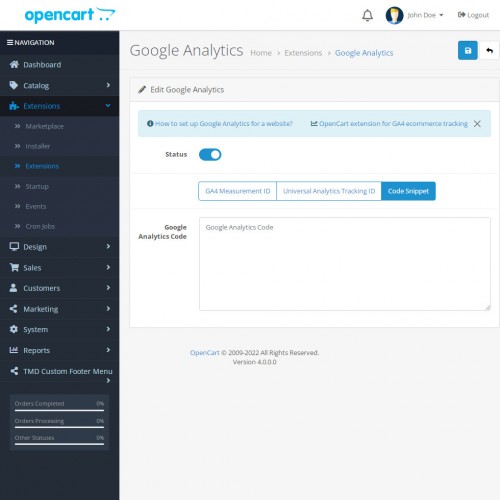
Analytics like Google Analytics, social media dashboards, and CRM software all give brands a complete picture of each campaign. These tools can monitor patterns of traffic to your site, reveal which channels drive the most visits, and identify where conversions occur.
A tracking pixel or UTM code lets brands know which ads or posts are most effective. If an Instagram campaign kicks off a spike of visits from Brazil or Germany, brands can shift their emphasis by region. Social listening tools measure sentiment and feedback to help teams learn what the audience thinks and feels. Comments, reviews, and survey responses provide context to these figures.
Analytics allow you to measure metrics over time. A launch may present an early spike, but that doesn’t indicate long term success until weeks or months of data.
Iterative Optimization
One crucial piece of any IMC plan is being open to continual improvement. Teams analyze to identify which channels, messages, or offers resonated and which fell short. For instance, if a video ad gets more shares than a banner, that information can inform future content.
Testing new headlines or switching up email timing can make a difference in engagement and conversions. Regular check-ins allow teams to adjust their direction and prevent wasted effort. Qualitative feedback is every bit as important as quantitative feedback.
Comments, DMs, and even informal customer interviews can expose blind spots or ignite fresh thinking. This combination of data and feedback creates a fuller picture. The IMC plan is a living document, crafted by what the data and the customers tell us after launch.
Conclusion
To launch any new product for real wins, adhere to a clear plan. Solid planning aligns your team, eliminates mixed messages, and increases your chances in a crowded market. Let social media, email, and ads all speak with one voice. Sync your tools and team in advance for smooth rollouts. Track clicks, sales, and feedback so you know what works. For instance, see how a tech startup monitors every post’s clicks to identify what attracts purchasers. Or find out how a shoe brand monitors sales on launch day to quickly adjust its plan. Looking to nail your launch? It’s easy to say, harder to do. Contact me if you want assistance constructing your next IMC plan.
Frequently Asked Questions
What is an Marketing Campaign plan for a new product launch?
A plan gets all your marketing channels on the same page, spreading the word about your new product in a unified way that increases impact and awareness.
Why is an IMC plan important for launching a new product?
A plan makes sure your message is clear and consistent across channels. This enhances brand recognition, establishes credibility, and raises the likelihood of a successful launch.
Which marketing channels should be included in a plan?
Common channels are digital ads, social media, email marketing, public relations and in-store promotions. Select channels based on your audience and objectives.
What steps should come before launching a new product?
Learn your market, target, goals, and timeline. Get all your marketing collateral together and train your internal teams.
How can internal alignment help a new product launch?
Teams communicate better when they have shared objectives and knowledge. This makes for a seamless launch and unified brand communication.
How do you measure the success of an IMC plan?
Measure the performance of your plan by tracking key metrics such as brand awareness, engagement rates, sales figures, and customer feedback. Leverage these learnings to optimize future campaigns.
Can small businesses benefit from an IMC plan?
Yes. Even on a shoestring budget, tying your marketing together increases effectiveness, reduces expenses, and boosts your product’s exposure.
Author Bio:
Ben Ajenoui is the Founder of SEO HERO LTD, a Hong Kong–based SEO agency helping startups and established businesses improve search visibility, drive organic growth, and build sustainable online performance. He specialises in SEO strategy, technical optimisation, and content-led growth.