






How eBay supports international shipping for sellers of all sizes
Selling internationally often feels complex. Different postal rules, customs forms, taxes, and buyer expectations can overwhelm even experienced sellers. eBay addresses these problems by building international shipping support directly into its marketplace, allowing sellers of all sizes to reach global buyers without managing every logistical detail themselves.

At the platform level, eBay removes barriers by connecting sellers to established cross-border shipping workflows. Instead of requiring sellers to negotiate with multiple couriers or learn international compliance rules country by country, eBay centralizes much of the process. Sellers list products once, select their shipping preferences, and rely on eBay’s infrastructure to handle international delivery steps that typically slow growth.
For smaller sellers, this structure matters. Many independent merchants lack the volume needed to secure competitive international shipping rates or the resources to manage customs paperwork accurately. eBay offsets this by offering pre-negotiated shipping services, automated customs documentation, and destination-specific delivery handling. This reduces the risk of errors that lead to delays, rejected parcels, or buyer disputes.
Larger sellers benefit differently. Scale introduces complexity rather than simplicity. Managing hundreds or thousands of international orders requires consistent tracking, predictable delivery timelines, and clear responsibility when issues arise. eBay standardizes these elements by routing international shipments through defined programs and fulfillment partners, which creates clearer accountability across borders.
Another key advantage is buyer trust. International buyers are more likely to complete purchases when shipping costs, duties, and delivery expectations are shown upfront. eBay’s systems surface this information early in the checkout process, reducing abandoned carts and post-purchase confusion.
Overall, eBay supports international shipping by shifting complexity away from individual sellers and into platform-level systems. This approach allows sellers to focus on pricing, inventory, and customer service while still accessing global markets in a controlled and predictable way.
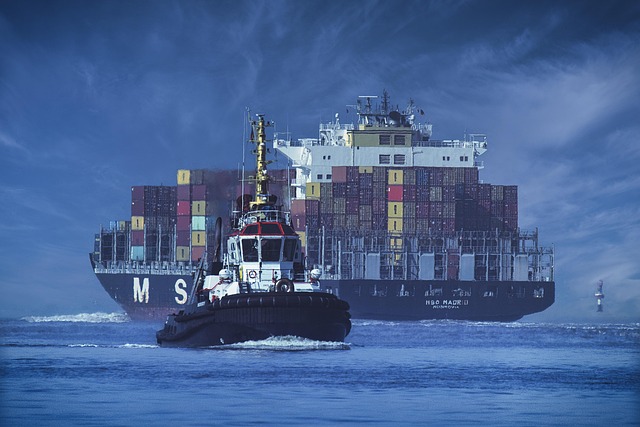
What makes cross-border shipping difficult for online sellers
Cross-border shipping introduces challenges that do not exist in domestic delivery. Sellers are no longer dealing with one postal system, one tax structure, or one set of buyer expectations. Each international order adds layers of uncertainty that can slow operations and increase costs if not handled correctly.
One of the biggest difficulties is compliance. Every destination country has its own customs rules, prohibited items list, and documentation requirements. A missing form or incorrect product description can cause shipments to be delayed, returned, or rejected entirely. For sellers, these mistakes often lead to lost revenue and frustrated buyers.
Cost predictability is another issue. International shipping rates vary by destination, carrier, package size, and weight. On top of that, duties and import taxes may apply, and these charges are often unclear at the point of sale. When buyers are surprised by extra fees on delivery, disputes and refunds become more likely.
Operational complexity increases as well. Managing international orders requires more coordination, longer delivery timelines, and consistent communication with buyers who may be in different time zones and speak different languages. Tracking updates can also be inconsistent once parcels move between carriers across borders.
Common cross-border shipping challenges include:
-
Customs paperwork errors that lead to delays or rejected shipments
-
Unclear duties and tax responsibilities causing buyer dissatisfaction
-
Higher shipping costs that reduce margins or make pricing uncompetitive
-
Longer delivery times that impact buyer confidence and feedback scores
-
Limited tracking visibility once parcels leave the origin country
-
Increased return complexity when items must cross borders again
For many sellers, these challenges make international expansion feel risky rather than rewarding. Without structured support or clear processes, cross-border shipping can quickly turn from a growth opportunity into an operational burden.
How eBay’s Global Shipping Program works from start to finish
The Global Shipping Program is designed to remove the hardest parts of international delivery from the seller’s workload. Instead of shipping directly to overseas buyers, sellers ship to a local processing center, and eBay manages the rest of the journey.
The process starts at listing level. Sellers opt in to the Global Shipping Program and list items as usual. There is no need to research international postal rules or adjust listings for each country. Once enabled, eligible international buyers automatically see the item with full shipping and import costs displayed during checkout.
When an international order is placed, the seller’s responsibility remains domestic. The seller ships the item to eBay’s designated shipping hub using a tracked service. At this stage, the seller handles the package exactly as they would for a local order. This keeps workflows familiar and limits risk.
After the item arrives at the hub, eBay takes over. The package is inspected, relabeled for international delivery, and prepared for export. Customs documentation is completed based on the listing details, and the shipment is forwarded to the buyer’s country using eBay’s international logistics partners.
Import charges are handled upfront. Buyers pay duties, taxes, and international shipping fees at checkout rather than on delivery. This reduces surprises, prevents refused parcels, and lowers the chance of disputes.
Tracking continues throughout the process. Both seller and buyer can see delivery progress from the domestic handoff through to final delivery. If an item is lost or damaged after it reaches the shipping hub, seller protection applies, limiting financial exposure.
From start to finish, the Global Shipping Program works by dividing responsibility clearly. Sellers manage the part they know best, domestic shipping, while eBay manages cross-border logistics, compliance, and delivery coordination.
Countries and regions eBay supports for international delivery
International reach matters only if sellers can reliably ship to buyers where demand exists. eBay supports international delivery across a wide range of countries and regions, allowing sellers to access global markets without manually configuring shipping rules for each destination.
Coverage varies depending on the shipping method used. Programs like eBay’s managed international shipping services typically include major consumer markets in North America, Europe, Asia-Pacific, and parts of the Middle East. These regions are selected based on delivery reliability, customs predictability, and buyer demand patterns.
For sellers, this regional support removes guesswork. Instead of researching which countries are safe or cost-effective to ship to, eBay defines eligible destinations at checkout. Buyers only see options for locations where delivery can be completed with tracking and reasonable transit times.
Supported regions generally include:
-
North America, covering the United States and Canada
-
European markets, including the UK and most EU countries
-
Asia-Pacific destinations, such as Australia, Japan, and Singapore
-
Select Middle Eastern regions, where customs processes are stable
-
Additional global locations, depending on item category and shipping program
Not all items ship everywhere. Restrictions may apply based on product type, value, size, or local import laws. For example, electronics, cosmetics, or branded goods may face country-specific limitations. eBay filters these restrictions automatically, preventing buyers from placing orders that cannot be fulfilled.
This approach benefits sellers by reducing failed deliveries and buyer complaints. It also helps buyers by setting clear expectations upfront about where items can be shipped and under what conditions.
By defining supported countries and regions within its shipping systems, eBay enables sellers to expand internationally with fewer compliance risks and more predictable outcomes.
Customs, duties, and taxes explained through eBay shipping services
Customs, duties, and taxes are often the most confusing part of international selling. Each country applies its own import rules, thresholds, and tax rates, which makes it difficult for sellers to predict costs or explain charges to buyers. eBay addresses this complexity by handling these elements within its international shipping services rather than leaving them to individual sellers.
When an item is sold internationally through eBay-managed shipping programs, import charges are calculated in advance. These charges typically include customs duties, local import taxes such as VAT or GST, and any applicable processing fees. Buyers see the full amount during checkout, before payment is completed. This upfront pricing removes uncertainty and reduces delivery refusals caused by unexpected fees.
From the seller’s perspective, this is a major advantage. Sellers are not required to calculate tax rates, research de minimis thresholds, or complete complex customs declarations for each country. Product and value information from the listing is used to generate the required documentation automatically once the item reaches the international processing stage.
Another important aspect is responsibility clarity. Duties and import taxes are charged to the buyer, not the seller, unless local laws require otherwise. Because these fees are prepaid, customs authorities can clear shipments more efficiently, which helps reduce delays at borders.
This structure also lowers dispute risk. Buyers are less likely to claim they were misled when import costs are clearly shown upfront. Sellers benefit from fewer refund requests and less time spent explaining charges they do not control.
By embedding customs, duties, and tax handling into its shipping services, eBay turns one of the biggest barriers to cross-border trade into a predictable, managed process that works for both sellers and buyers.
How eBay calculates international shipping costs for buyers and sellers
International shipping costs are often hard to explain because they combine multiple variables into a single price. eBay simplifies this by calculating costs automatically based on the item, destination, and shipping method selected, then presenting those figures clearly to both buyers and sellers.
For buyers, the total cost shown at checkout reflects more than postage alone. eBay factors in the item’s weight and dimensions, the destination country, the chosen delivery speed, and any handling required once the parcel leaves the seller’s country. When eBay-managed international shipping is used, import charges are also calculated and displayed separately, so buyers know exactly what they are paying before completing the purchase.
For sellers, cost calculation starts with domestic shipping. Sellers set their local shipping price or use carrier-calculated rates to send the item to the designated processing center. From there, eBay calculates the international portion using pre-negotiated carrier agreements and destination-specific delivery rules. Sellers are not required to estimate or collect international postage themselves.
Several factors influence how these costs are calculated:
-
Package size and weight, which affect carrier pricing bands
-
Destination country, including distance and delivery infrastructure
-
Selected shipping service, such as standard or expedited delivery
-
Item category and value, which may impact handling requirements
-
Current carrier rates, updated within eBay’s shipping systems
This automated pricing model benefits both sides of the transaction. Buyers gain transparency and price certainty, while sellers avoid undercharging or absorbing unexpected costs. It also reduces pricing errors that can lead to disputes or negative feedback.
By handling international shipping cost calculations within its platform, eBay creates a consistent pricing experience that supports cross-border sales without forcing sellers to become shipping or tax experts.