






10 Email Marketing Optimization Strategies for Increased Engagement

How smart list management, audience insights, strong deliverability, and advanced personalization create email campaigns that perform
- Know your audience. Use data, feedback, and engagement tracking to create more relevant and effective email campaigns.
- Keep your list healthy by regularly scrubbing inactive subscribers, employing double opt-in, and segmenting according to engagement.
- Safeguard your sender reputation with high-quality content, consistent sending, and domain authentication.
- Leverage advanced tactics such as dynamic segmentation, predictive personalization, and behavioral triggers to drive engagement and deliver personalized content.
- Focus on persuasive, well-written copy, eye-catching design, and effective calls to action to create emails that perform.
- Keep testing. Beyond open rates, measure click-through, conversion, and revenue data.
Email marketing optimization strategies are how brands send better emails that reach more people and deliver more results.
These techniques employ A/B testing, clear calls to action, and clever subject lines. Marketers use data to choose the optimal time of day to send and to segment their lists.
For anyone looking to increase open rates and ultimately sales, these few basic tips can mean consistent increases in the majority of campaigns.
Foundational Email Optimization
Foundational email optimization is a send-measure-learn-refine-repeat cycle. This feedback loop allows marketers to optimize towards what the audience gravitates towards for best results. Every campaign is an opportunity to experiment, track, and enhance.
By concentrating on a single factor at a time, such as subject lines or send times, you get a transparent picture of effectiveness. A/B testing, which pits two versions of an email element against each other, is central to this strategy. As more people read email on their phones, optimizing for mobile isn’t just helpful; it’s foundational.
Small changes, tracked and repeated, can accumulate into big gains.
Audience Understanding
Begin by examining demographic information: age, location, language, and device usage. This allows you to send messages that correspond to the desires or needs of each group. For instance, a millennial cohort could like quick updates with pictures, whereas professionals might seek in-depth tutorials or sector news.
Surveys fill in the blanks. Query number, timing, and topics. Provide an instant poll at the bottom of your emails. This feedback contributes to developing your awareness.
Things like open and click rates demonstrate what people respond to or dismiss. Tracking these numbers over time helps you spot trends, such as which topics ignite interest or which links get clicked more.
Personas bring these learnings together. Set up a few profiles based on the real data: new customers, frequent purchasers, and inactive users. Shape content and tone using these personas.
List Hygiene
A clean list helps keep engagement up and bounce rates down. Use this checklist:
- Remove addresses that bounce or never open.
- Check for typos or fake emails.
- Confirm permissions and consent.
- Update preferences for subscribers who want fewer emails.
Double opt-in means that new subscribers need to verify their subscription. This step filters out bogus or uninterested contacts. It builds a list of people who actually desire your emails.
Segmenting by engagement targets action where active readers are. Send re-engagement campaigns to non-openers from months ago. If they remain inactive, delete or suppress them.
Auto tools can discover bounces, tag spam traps, and dedupe. They reduce manual labor and help maintain an up-to-date list.
Sender Reputation
Watch your sender score. This number indicates whether your emails actually reach inboxes or hit spam. Use services that monitor sender scores and notify you of issues.
Steer clear of spammy words, all caps subject lines or excessive exclamation marks. Spam filters see these things and block your mails.
Authenticate your sending domain with SPF, DKIM, and DMARC. This establishes trust with email providers and helps prevent spoofing.
Reliable, valuable emails delivered with regularity create trust. Addressing your readers in a warm, personal manner can increase engagement and enhance your credibility.

Advanced Email Marketing Optimization Strategies
Email marketing just got a lot smarter about how to reach people personally. Brands can get smarter about audience segmentation, data usage and testing to improve results. These advanced techniques ensure you send the right message at the right time to the right person.
1. Dynamic Segmentation
Dynamic segmentation involves dividing your list into segments that evolve as subscribers engage with your emails. These segments refresh automatically based on activities such as clicks or web visits.
One segment might be users who opened last week’s email but never purchased. You could group people who are always clicking on product updates. Continue to test and rotate these groups so they remain useful as your audience evolves.
Periodic audits help ensure you don’t fall behind new fads or shifting interests.
2. Predictive Personalization
Predictive personalization employs models to anticipate what an individual is likely to do. Using previous purchase information, you can suggest things folks should want.
For example, if your customer frequently purchases tech products, present them with new arrivals in this category. Subject lines and content can vary by each individual’s behavior, resulting in increased opens and clicks.
It’s most effective to continue refining these models as you accumulate more data, so your messages remain up-to-date and targeted.
3. Behavioral Triggers
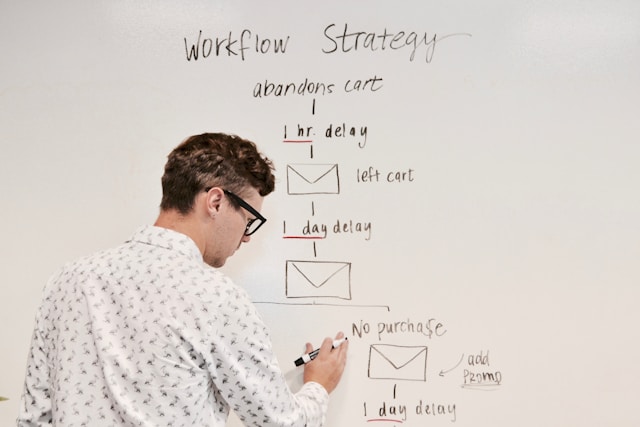
Behavioral triggers send emails when someone takes an action, like abandoning a shopping cart or browsing a pricing page. These emails receive significantly higher open and click rates, up to five times those of traditional campaigns.
With engagement data, you can optimize the best time to send a follow-up, whether it’s a reminder or thank you. You can even establish a set of triggered emails to gradually convert someone from interested to buyer.
Monitor the performance of these emails and adjust the content to optimize the results.
4. Content Intelligence
Content intelligence tools assist you in understanding what performs optimally in your emails. By examining the data, you discover which topics, photos, or designs received the most click-throughs.
A/B testing is key here. Test different subject lines or formats, but only change one factor at a time. AI tools can assist in detecting patterns or identifying preferences.
Utilize these insights to stay on top of your email marketing game.
5. Deliverability Audits
Consistent deliverability testing ensures your emails land in inboxes, not spam. Examine sender configurations and ensure they satisfy industry policies.
High bounce or unsubscribe rates can indicate issues with your list or message. Leverage inbox placement testing tools and resolve trouble before it damages your performance.
Crafting High-Impact Emails
High-impact emails start with a well-defined goal and thorough audience analysis. This attention to the right mix of content, timing, and personalization goes a long way toward helping your messages land well. Testing and data-driven refinement continue to be the heart of my success.
Key elements of crafting high-impact emails include:
- concise, clear copy tailored to audience needs
- visually appealing and accessible design
- strong calls-to-action that prompt responses
- ongoing testing of content and timing
- thoughtful personalization and sender details
Subject Lines
Subject lines frame first impressions. Experimenting with length can prove remiss as some readers like a short and to-the-point header while others like it to be explicit and detailed. Subject line action words generate a sense of urgency and assist in boosting open rates, particularly when combined with time-sensitive offers or seasonal campaigns.
Basic personalization, like using the first name, amplifies relevance and can increase engagement without sophisticated instrumentation. Stuffing emojis in subject lines is another worth testing. Some groups react to visual cues quite well, while others do not.
A/B testing one variable at a time is the best way to check what works. For example, test “Sarah, get 25% off today” against a generic line and compare the results. Putting the sender’s real first name, instead of some faceless company email, can increase opens.
Email Copy
Clean, focused copy doesn’t overload your reader. Focus on one message, be it announcing a sale, telling a story, or giving an update. Storytelling provides an emotional hook, engaging recipients and rendering messages unforgettable.
Focus on benefits and value up front and use short paragraphs and bullet points to maintain skimmability. Testimonials or brief blurbs serve as social proof, lending credibility to assertions and fostering confidence.
For instance, a line of text that reads “Anna in Berlin saved 25% with last month’s deal” can comfort readers and incite action. You should always contextualize language to the audience for cultural appropriateness.
Visual Design
An email’s design needs to be responsive and work on various devices and screen sizes. With the majority of readers on mobile phones, designs need to adapt fluidly. Beautiful images that reinforce the message and brand assist in adding appeal.
Use a consistent color scheme and fonts, and keep the brand prominent and easy to identify. Whitespace gives eyes a break, improving readability. Too many graphics will weigh down load times or detract from your message.
Balance is key. Each element should serve a purpose, guiding readers toward the action you want them to take.
Actionable CTAs
Call-to-action — every email needs one. Go for action-oriented terms such as “Shop now,” “Download,” or “Join free.” Buttons should pop in colors that contrast with the background and still coordinate with the overall design.
Try wording and placement to find what generates more clicks. Don’t clutter your email with CTAs; one strong button generally works best for a single message.
The Science of Testing
Testing is the heart of hard core email. That’s how teams discover what works, what doesn’t, and why. By making testing a habit, brands can continue learning, growing, and evolving alongside subscribers’ evolving needs.
For each email you blast, a goal for each test provides context to the results and keeps teams focused. Documenting every test result, including surprising ones, is crucial. This develops an institutional memory that keeps teams from making errors and making history.
When the entire team cares about testing, it inspires innovation and creates incremental gains.
A/B Testing
A/B testing, or split testing, is comparing two versions of an email element such as the subject line or the from address to see which is more effective. To keep tests equitable, alter a single variable the subject line for example, or personalization or a call-to-action button.
Keep everything else copy, layout, images constant. For instance, send one subject line that uses a first name and one that doesn’t. Randomly divide your readership in half and mail each half one version.
A good AB test requires a large enough sample to reach credible conclusions. Small lists might not show genuine trends. Seek statistically significant results, which generally means there is a 5% chance the outcome occurred by accident.
Once you have a winner, use that version in subsequent emails to increase opens or clicks. Just be sure to record what you test and the result so your learning accumulates.
Multivariate Testing
Multivariate testing allows marketers to test several changes simultaneously. Rather than just testing two subject lines, for example, you could test headlines, images, and button colors all at once.
This exposes how things test against each other and what combination works best. For instance, testing three subject lines with two images and two buttons yields twelve unique emails. Each version goes to a more limited group.
Preliminarily test the results to discover the winner. Ensure your sample is big enough to make actual conclusions as well because the more versions, the smaller groups.
Let these insights inform new email templates and message fine-tuning.
Send-Time Optimization
Something as simple as discovering the optimal time to send e-mails can boost engagement. Experiment with sending in the morning, afternoon, or evening to determine when people open and click most.
Review past campaign data for trends, for example, whether you tend to get higher open rates on certain days or at specific times. Automation tools can assist by dispatching your emails during the peak times for each group of your subscribers.
Monitor engagement and tweak as habits shift. As time zones or work habits shift, update your timing accordingly.
Beyond the Open Rate
Open rates are useful for a quick glance. By themselves, they don’t demonstrate the real efficacy of email marketing. Other important metrics, such as click-through rates, conversions, and revenue, provide a more precise view of how emails contribute to business growth.
Here are some different engagement metrics and why they matter.
|
Metric |
What it Measures |
Why it Matters |
|---|---|---|
|
Click-Through Rate (CTR) |
How many clicked links inside the email |
Shows if content is relevant and engaging |
|
Reply Rate |
Number of replies to the email |
Reveals audience interest and feedback |
|
Forward Rate |
How often emails are shared with others |
Measures content value and reach |
|
Time Spent Reading |
How long readers engage with the email |
Tracks content effectiveness |
|
Spam Rate |
How many recipients mark the email as spam |
Signals issues with relevance or trust |
|
Conversion Rate |
Percentage taking the desired action |
Ties email to business results |
|
Revenue per Email |
Income generated per campaign send |
Shows financial impact |
Engagement Metrics
Click rates indicate the number that click links inside of emails, or Unique Clicks divided by Emails Delivered multiplied by 100. This figure indicates the appropriateness of the message to the reader’s desires.
Replies and forwards add another dimension, indicating that it motivates action or is share-worthy. Time spent reading is another key indicator. If they all spend a few seconds, your content needs work. Longer reading times indicate a clear and compelling message.
Segmenting these figures by age, location, or other factors helps you make trends easier to spot. For instance, young readers are likelier to click on mobile links, while older readers tend to read longer on desktops.
Segmentation is crucial. Segmented emails achieve 30% more opens and 50% more clicks than group sends. Let engagement data inform your strategy. If one group clicks more on certain topics or formats, tailor future messages for them.
Bayesian analysis can help test which email variant will likely work best by leveraging both past and current results.
Conversion Metrics
Conversion rates measure how many people perform an important action, such as signing up or buying, after opening your email. This is a primary method of measuring if campaigns are effective.
With UTM parameters, you can know which email generated which click or sale. Looking beyond the open rate and analyzing the entire customer journey is what will help you identify weak points.
Maybe readers open and click, but bail on purchase. Let these insights alter your emails. Experiment with more direct calls to action or simpler sign-up forms. Automated triggers, such as welcome emails, generate significantly higher conversion and revenue rates than regular sends, with increases exceeding 300 percent.
Personalization goes a long way, too. Personalized emails can drive as many as six times more transactions than generic ones.
Revenue Metrics
|
Revenue Metric |
What It Shows |
|---|---|
|
Average Order Value (AOV) |
Average spend per order from email campaigns |
|
Customer Lifetime Value (CLV) |
Total value a subscriber brings over time |
|
ROI |
Return for every unit of currency spent |
AOV informs you of the average value of each email-driven order. By tracking AOV over time, you can identify trends and determine which campaigns generate larger sales.
CLV focuses on the long-term value of each subscriber. If email content holds people, CLV increases. Revenue metrics lead you where to spend your marketing dollars.
If one email type or audience segment generates greater average order value or customer lifetime value, spend more time there. Email marketing delivers an outstanding return on investment, with an average of $36 returned for every $1 spent.
Automated emails demonstrate significantly greater revenue per send, so moving budget toward these can generate better results.
The Human-Centric Inbox
A human-centric inbox centers on people, specifically human-centered emails that make every message feel like it was composed for one person, not a mob. It relies on customization, segmentation, and clever use of data to render emails pertinent and worthwhile.
When brands leverage dynamic content, such as inserting a subscriber’s home airport or preferred store location, emails feel more like a message from a friend. AI can help shape these personal touches, using recipient data to customize content, email layout, or send time. The true objective is to supplant mass blasts with one-to-one exchanges, always keeping the reader first.
Conversational Tone
Compose emails in an approachable, conversational tone makes readers comfortable. Writing with simple words and short sentences, and breaking up long blocks of text makes emails easy to read.
Using their name or referencing something they care about demonstrates you know them. For instance, ‘Hi Priya, hope your week is off to a good start’ sounds more human-friendly than ‘Dear Customer.’
Make people want to reply, inquire, or comment. A phrase such as, ‘Reply and tell us what you think,’ invites two-way dialog. Connecting real stories, a customer’s experience or a day in your office, makes your brand seem more human.
One retailer, for example, posts brief team stories on a regular basis. Customers report this makes the brand feel like a bunch of actual human beings, not a faceless logo. This personal touch creates a feeling of intimacy and helps emails jump out in cluttered inboxes.
Feedback Loops
Folks care that their input counts. Add links or easy buttons in your e-mails where readers can indicate what they like or don’t like. A little post-purchase survey or a poll about what kinds of content they like gives you insight and respect.
Respond to feedback promptly when you can. For instance, if a subscriber spots a dead link or asks for additional tips on something, a timely response establishes credibility.
Analyzing data from surveys and open-ended responses shows what trends exist, such as content requests or unsubscribe causes. Use this data to fine-tune your email approach, making future emails conform to what your readers desire.
Ethical Practices
Subscriber right respect is it. Of course, always comply with laws such as GDPR and CAN-SPAM, doing so protects both your readers and your brand.
Be transparent with how you consume and store data. Inform users why you request specific information or how you will utilize their data.
Make it simple for subscribers to unsubscribe. A plain, conspicuous opt-out link says you respect their decisions. Responsible email marketing isn’t just about rules; it’s about respect, integrity, and compassion for your listeners.
Brands that do this build trust and loyalty in the long run, which ultimately rewards them.
Conclusion
To expand your email reach, incremental steps add up. Clear subject lines, short calls to action, and neat layouts are important. Good testing demonstrates what suits your audience. Cool images, naked text, and mobile-friendly design make a huge impression. Freshen up your list. Don’t just monitor opens; watch clicks and replies as well. Think about the real people behind each address. Keep it honest and helpful, not pushy. Tools assist, but direct language builds confidence. Test one new tactic on your next send. For additional results, observe your readers’ behavior, learn from it, and update your style. Email keeps evolving, so keep adapting your plan for what works now.
Frequently Asked Questions
What are the key elements of foundational email optimization?
Things like a good subject line, a concise message, a mobile-friendly design, and an easy-to-locate call-to-action are fundamentals that aid in driving open rates and reader interaction.
How can I craft high-impact emails?
Concentrate on relevant content, attention-grabbing graphics, and customization. Always write to the reader’s needs and maintain a clean design.
What are advanced email marketing optimization strategies?
More advanced strategies include audience segmentation, automation, dynamic content, and data-driven personalization. These strategies assist in sending personalized and timely messages to every subscriber.
How does A/B testing improve email performance?
Testing lets you compare versions of your email to find out what is most effective. This approach allows you to determine what types of subject lines, formats, and content are most effective.
Why should I look beyond the open rate?
Open rates indicate only who opens the email. Click, conversion, and unsubscribe tracking provide a more comprehensive understanding of your email performance.
How can email marketing be more human-centric?
Be personable, call your subscribers by name and be privacy-conscious. Hear them out and send them useful information to gain their trust and forge a deeper connection.
What metrics should I track besides open rates?
Monitor click-through, conversion, bounce, and unsubscribe rates. These metrics tell you how your audience is engaging with your emails and allow you to tweak your strategy accordingly.
Author Bio:
Ben Ajenoui is the Founder of SEO HERO LTD, a Hong Kong–based SEO agency helping startups and established businesses improve search visibility, drive organic growth, and build sustainable online performance. He specialises in SEO strategy, technical optimisation, and content-led growth.