






Complete Ecommerce SEO Guide to Ranking an Ecommerce Store Higher With Proven SEO Strategies and Best Practices
Ecommerce SEO is the practice of optimizing an online ecommerce site using the right SEO tool to ensure product pages, categories, and supporting content appear in organic search results when buyers are actively looking to purchase. Unlike blog SEO, ecommerce SEO focuses heavily on commercial-intent keywords tied to products, pricing, comparisons, and availability.
If you sell products on platforms like Shopify, OpenCart, Magento, or any other ecommerce website, SEO is one of the few channels that compounds over time. Paid ads stop the moment you pause spend. Organic rankings, once earned, can continue to drive qualified traffic and sales month after month.
For beginners, ecommerce technical SEO best practices can feel overwhelming. There are products, categories, filters, URLs, technical settings, and content decisions all affecting how search engines understand your store. The goal of this guide is simple: help you focus on proven strategies that actually move rankings and revenue, regardless of the platform you use.
Before and SEO campaign tactics, it’s important to start with the foundation.
How Ecommerce SEO Works for Ecommerce Websites: Keyword Research, On-Page SEO, Technical SEO, and Product Page Optimization Best Practices
Ecommerce SEO strategies work by aligning your store’s structure, content, and technical setup with how search engines crawl pages and how customers search for products. At its core, it answers three questions Google asks every time it ranks a product page:
Is this page relevant to the users and search engines?
Is it easy to crawl and understand?
Does it deserve to rank over competitors?
For online stores, relevance starts with keywords that show buying intent. These include product names, categories, attributes, and comparison terms. A store selling running shoes, for example, doesn’t just optimize for “shoes.” It targets pages around “men’s running shoes,” “trail running shoes,” and specific brands or models buyers already search for.
Structure comes next. Ecommerce SEO depends heavily on how your store is organized. Clear category hierarchies, clean URLs, and internal links help search engines understand how products relate to each other. This is where many beginners struggle especially when platforms generate duplicate URLs through filters, sorting options, or pagination.
Technical clarity supports everything else. Fast loading pages, mobile-friendly layouts, proper indexing, and structured data help search engines process your store efficiently. These factors don’t replace good content, but without them, even well-written product pages can struggle to rank.
Most importantly, ecommerce SEO is not about chasing algorithms. It’s about removing friction between what customers search for and what your store shows them. When done correctly, SEO becomes a direct extension of how you organize products, describe value, and guide shoppers toward a purchase.
Next, we’ll move into the first proven strategy beginners should focus on before touching tools, plugins, or advanced optimizations.
Keyword Research for Ecommerce: Finding Buyer-Intent Search Terms That Convert
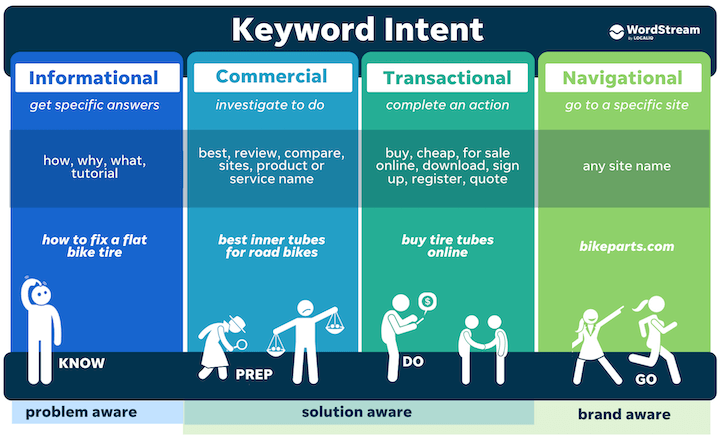
Keyword research is the foundation of ecommerce SEO because it determines which searches your store can realistically win and which ones actually lead to sales. For beginners, the biggest mistake is targeting keywords that bring traffic but no buyers. Ecommerce SEO works best when you focus on buyer-intent search terms, not general interest topics.
Buyer-intent keywords signal that the searcher is close to making a purchase. These searches usually include product names, categories, specifications, or comparison language. Examples include “wireless noise cancelling headphones,” “men’s leather running shoes,” or “standing desk under $500.” These phrases show clear intent to buy, not just browse.
If you’re selling on ecommerce store like Shopify, OpenCart, or Magento, your keyword research should prioritize category pages first, then product and category pages. Category pages usually capture broader demand and scale better, while product pages capture highly specific searches.
Start by listing your main product categories exactly as a customer would describe them. Avoid internal naming or supplier terms. Customers don’t search for “Model XJ-400.” They search for “compact espresso machine” or “home espresso maker.” Your job is to mirror real language, not internal labels.
Next, expand keywords using modifiers that indicate buying readiness:
-
Price-focused terms like “cheap,” “best,” or “under £X”
-
Specification-based terms such as size, material, color, or use case
-
Comparison phrases like “vs,” “alternative,” or “review”
Avoid targeting keywords that belong to blogs, guides, or forums unless you plan to create supporting content. For example, “how do running shoes work” is not a product or category page keyword. Mixing these intentions weakens rankings and confuses search engines.
Finally, map one primary keyword to one page. Each category or product page should have a clear search purpose. When multiple pages target the same keyword, they compete against each other, slowing growth and reducing visibility.
Strong ecommerce keyword research isn’t about volume alone. It’s about alignment matching the right search terms to the right pages so traffic turns into revenue.
Optimizing Category Pages to Capture High-Intent Ecommerce Traffic
Category pages are the backbone of ecommerce search engine optimization. While product pages target specific searches, category pages capture broader, high-intent keywords that buyers use when comparing options, helping your ecommerce site rank higher in search results. For beginners, this is one of the fastest ways to gain visibility and consistent traffic without relying on paid ads.
If you own an ecommerce business and sell on platforms like Shopify, OpenCart, or Magento, category pages are often auto-generated. That convenience comes at a cost most default category pages are not optimized for search unless you deliberately improve them.
Start with the category page title and URL. Each category should target one primary buyer-intent keyword identified during keyword research. Keep URLs clean and readable. Avoid parameters, numbers, or unnecessary subfolders that don’t add meaning. A simple structure helps both search engines and users understand what the page is about.
Next, focus on category descriptions. Many beginners skip this step or add a single sentence. That’s a missed opportunity. A short, helpful description placed above or below product listings helps search engines understand relevance. Explain what the products are, who they’re for, and how they differ without sounding promotional or repetitive.
Internal linking strengthens category pages further. Link from your homepage, navigation menu, and related categories using natural anchor text. For example, a “Men’s Running Shoes” category should be easily reachable from higher-level categories like “Shoes” or “Sportswear.” This signals importance and improves crawl efficiency.
Product filtering and sorting require caution. Filters can generate multiple URLs showing the same products in different orders, which can dilute rankings. Wherever possible, ensure filters don’t create indexable URLs unless they serve a clear search purpose.
Well-optimized category pages act as landing pages for buyers who are ready to compare and choose. When done right, they attract qualified traffic, guide users deeper into your store, and support stronger rankings across your entire catalog.
Product Page SEO: Turning Search Visibility Into Sales
Product pages are where ecommerce SEO meets revenue. Ranking a category page brings traffic, but product pages convert that traffic into sales. For beginners, the goal is not to over-optimize, but to make each product page clear, useful, and aligned with buyer intent.
If you’re selling on platforms like Shopify, OpenCart, or Magento, most product pages share the same structure. That’s helpful but it also means thousands of stores look identical unless you add meaningful differentiation.
Start with the product title. Use the primary keyword naturally, including key attributes buyers care about such as brand, type, size, or material. Avoid stuffing extra terms. A clear, descriptive title helps both search engines and customers understand exactly what’s being sold.
Product descriptions matter more than many beginners expect. Manufacturer text is often duplicated across hundreds of sites, which limits ranking potential. Write original descriptions that answer common buyer questions: what the product does, who it’s for, and what problem it solves. Focus on clarity, not hype.
Images also play a role in SEO for ecommerce. Use high-quality photos with descriptive file names and alt text that reflects the product. This improves accessibility and helps images appear in image search results, bringing additional traffic.
Technical elements support visibility. Each product page should have a unique meta title tags and meta description that reflects the product and encourages clicks. Structured data, such as product schema, helps search engines display prices, availability, and reviews directly in search results.
Trust signals influence both rankings and conversions. Reviews, clear pricing, shipping information, and return policies reduce friction. Search engines increasingly reward pages that demonstrate usefulness and reliability, not just keyword usage.
Strong product page SEO doesn’t rely on tricks. It relies on understanding buyer intent and presenting information in a way that makes choosing your product easy.
Technical SEO Basics for Ecommerce: Making Your Store Easy to Crawl and Index
Technical SEO ensures search engines can access, understand, and trust your ecommerce store. You can have great keywords and strong product pages, but if search engines struggle to crawl your site, rankings will stall. For beginners, this section is about fixing common blockers not advanced engineering.
Ecommerce platforms like Shopify, OpenCart, and Magento already handle many technical basics. Still, default setups often leave gaps that quietly limit visibility.
Start with site speed. Ecommerce sites tend to be heavy images, scripts, apps, and tracking tools add weight quickly. Slow pages hurt rankings and conversions at the same time. Compress images, limit unnecessary extensions, and avoid loading features you don’t actively use. Speed improvements don’t need to be perfect; they just need to remove obvious friction.
Mobile usability is no longer optional. Most ecommerce searches happen on mobile devices, and search engines primarily evaluate the mobile version of your site. Check that text is readable, buttons are easy to tap, and product pages don’t break on smaller screens. A mobile-friendly layout supports both rankings and sales.
Crawlability comes next. Search engines discover pages by following links, so your internal linking structure matters. Important category and product pages should be reachable within a few clicks from the homepage. Avoid burying key products behind multiple filters or deep navigation layers.
Duplicate content is a frequent ecommerce issue. Filters, sorting options, and pagination can generate multiple URLs showing the same products. When search engines see too many similar pages, they struggle to decide which one to rank. Use canonical URLs and indexing controls to guide search engines toward your preferred versions.
Finally, create and submit a clean XML sitemap. This helps search engines find your most important pages faster, especially new products or updated categories. A sitemap doesn’t guarantee rankings, but it improves discovery and efficiency.
Technical SEO isn’t about chasing perfection. It’s about removing obstacles so your keyword research, category pages, and product content can perform as intended.
Ecommerce Site Structure and Internal Linking: Guiding Search Engines and Shoppers
Site structure and internal linking determine how easily search engines discover pages and how smoothly shoppers move from browsing to buying. For beginners, this is one of the highest-impact improvements because it strengthens every page at once categories, products, and supporting content.
Most stores built on platforms like Shopify, OpenCart, and Magento start with a functional structure, but not an optimized one. Menus work. Pages load. Yet search engines still struggle to understand which pages matter most.
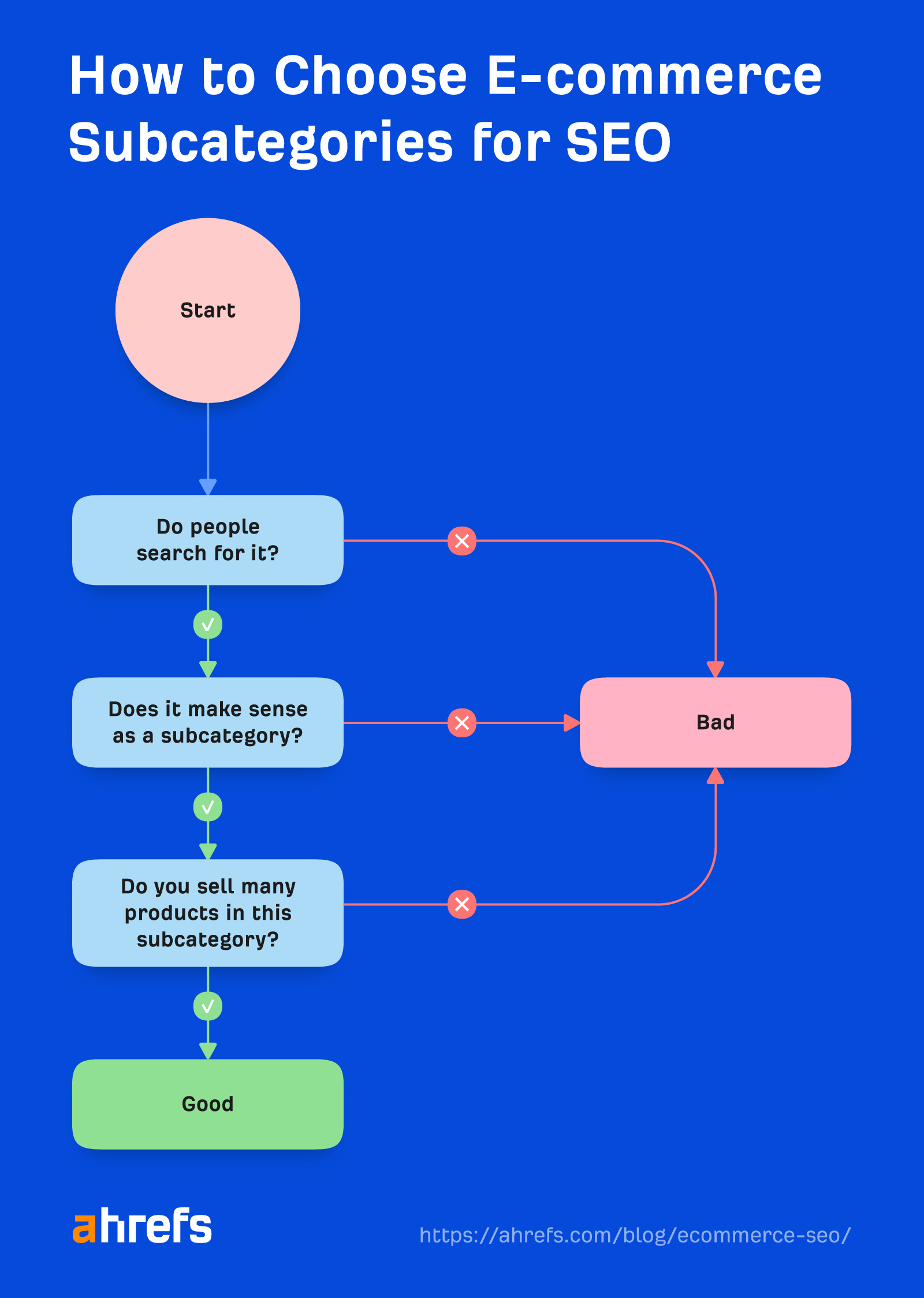
Begin with a clear hierarchy. Your store should follow a simple path:
Homepage → Main categories → Subcategories → Product pages.
This structure mirrors how customers think and how search engines assign importance. Avoid placing products directly under the homepage or hiding categories several layers deep.
Keep the structure shallow. Important pages should be reachable within three clicks from the homepage. When pages sit too deep, they receive less internal authority and are crawled less often. A flatter structure improves indexing and helps new products surface faster.
Internal linking reinforces that hierarchy. Every category page should link to its subcategories and key products using descriptive anchor text. Avoid generic links like “click here.” Instead, use natural phrases that describe the destination page. This gives search engines context and helps users scan confidently.
Breadcrumb navigation plays a supporting role. Breadcrumbs show users where they are and create additional internal links back to higher-level categories. This improves usability and reinforces topical relationships across the site without adding clutter.
Cross-linking between related categories also adds value. If products logically overlap such as “Running Shoes” and “Trail Shoes” linking between categories helps search engines understand relevance and helps shoppers discover alternatives.
Finally, don’t neglect internal links from non-product pages. Blog posts, guides, and FAQs should link back to relevant categories and products when it makes sense. These links pass authority and connect informational content to commercial pages without forcing sales language.
A well-planned site structure doesn’t just help rankings. It reduces confusion, improves navigation, and supports better conversions. Once this foundation is solid, the next step is strengthening content signals, starting with on-page SEO elements like titles, meta descriptions, and headings.
Conclusion: Bringing Your Ecommerce SEO Strategy Together
This ecommerce SEO guide has shown that ecommerce SEO is the process of aligning technology, content, and structure to improve ecommerce search engine optimization across your entire store. From ecommerce keyword research and product page optimization to technical SEO for ecommerce, ecommerce site architecture, and ecommerce link building, effective ecommerce SEO is not a single task it is a system.
A guide to ecommerce SEOmust account for how SEO focuses on improving visibility in ecommerce search, how keywords for your ecommerce products are discovered, and how organic traffic to your ecommerce site compounds over time.
Whether you manage a small store or large ecommerce sites, SEO success depends on building an entire SEO strategy that goes beyond traditional SEO. SEO goes beyond rankings alone; it supports ecommerce marketing, strengthens your ecommerce marketing strategy, and improves overall SEO performance. That includes solving technical SEO issues, improving ecommerce product page optimization, using proper image alt text, and leveraging built-in SEO features available on your chosen ecommerce platform.
The right ecommerce SEO tools play a critical role here. Tools like Google, tools like Ahrefs or Semrush, and other best ecommerce SEO tools help identify SEO issues, measure performance, and uncover opportunities that are particularly useful for ecommerce sites.
Combined with strong SEO features, these tools support effective SEO, successful SEO, and long-term gains. Remember, SEO is a long-term investment when it comes to ecommerce, shortcuts rarely work.
For businesses that need support, working with an experienced SEO company, SEO agency, or ecommerce SEO agency can accelerate results. A leading ecommerce SEO partner or ecommerce SEO company understands how entire SEO efforts connect from technical SEO for ecommerce to ecommerce product pages, content, and authority building.
Professional SEO services and ecommerce SEO services can help you optimize your ecommerce site, resolve complex technical SEO issues, and drive traffic that converts. This is why many brands rely on a trusted ecommerce SEO agency as part of their growth plan.
Ultimately, complete ecommerce SEO is a set of best practices, tools, and decisions working together. Ecommerce SEO is a set of ongoing actions that supports effective ecommerce, boosts your ecommerce presence, and improves visibility across the entire customer journey. When done well, ecommerce SEO transforms how customers discover your ecommerce products, strengthens SEO for ecommerce sites, and delivers lasting SEO success.
If you follow this ecommerce SEO best approach, build an SEO foundation carefully, and address FAQs about ecommerce SEO as your store grows, you position your business for sustainable growth and long-term results when it comes to SEO and when it comes to ecommerce.