





Create Your E-commerce Website: A Step-by-Step Guide for 2025
Essential Steps for Building a Secure, Scalable, and High-Performing E-Commerce Website
- Getting your e-commerce site off on the right foot is a matter of doing your homework about your customers, your competition and your niche, and leveraging that knowledge to develop a killer value proposition and brand identify that works across borders.
- Choosing the appropriate e-commerce platform is crucial. Focus on solutions with strong integration options, customizable templates, and excellent customer support to remain scalable and dependable as your business expands.
- Crafting an intuitive and visually cohesive storefront, underpinned by transparent navigation and professional-grade product imagery, greatly improves user experience and promotes return visits from a wide range of consumers.
- Security and trust should be a priority in your e-commerce website creation process, utilizing SSL certificates, payment compliance standards, and displaying customer reviews and trust badges.
- Successful marketing techniques, such as social proof, search optimization, and analytics tools, are vital for long-term success and adapting to changing trends in digital commerce.
- Having a vision towards the future of your e-commerce website about scalability, personalization, and efficient logistics will keep your e-commerce business ahead of the curve in meeting the rapidly-evolving demands of global consumers and technology.
E-commerce website creation is the process of constructing a platform that facilitates online transactions of goods or services. Making a store online requires a vision, the proper equipment, and minimalist aesthetics.
Crucial features such as product pages, secure payments and quick checkouts enable the site to function properly. Lots of sellers are turning to e-commerce to find more buyers and expand their brand.
In the following sections, find steps and advice for a painless setup.
Your E-commerce Foundation
Building a strong e-commerce website foundation is really about combining technical systems with business strategy. A solid e-commerce platform enables you to grow, handle inventory, secure customer data, and cater to an international audience. Every piece, from niche selection to brand values and business model, requires serious consideration for sustained growth.
Define Niche
Discovering a niche begins with market trends, particularly in the realm of ecommerce website design. Consult data from resources such as Google Trends or Statista to identify categories and niches with an increasing demand and low supply. For instance, sustainable home products or online workout routines have expanded globally within various ecommerce platforms.
Once you have an idea of what’s trending, consider your abilities and interests. Selecting a niche you’re familiar with accelerates this learning and allows you to identify customer pain points more quickly, especially when utilizing effective ecommerce website builders.
Research what customers desire by examining reviews, forum comments, or conducting social media surveys and polls. Easy Instagram or LinkedIn polls can reveal if there’s sufficient interest prior to making an investment in your ecommerce business.
Target a niche, such as vegan snacks for teenagers or ergonomic desks for remote workers, to keep the competition low and loyalty high. Test, test, test before you go big. This keeps your risk low and allows you to refine your concept with early feedback on your ecommerce site.
Solidify Brand
Branding is more than a logo. Begin with your brand story why you began, what you represent, and what sets you apart. This story should be concise, authentic, and highly viral, just as a mom ‘n pop store might emphasize that their products are handmade or fair trade.
Ensure that your website, social presence, emails, etc., all use the same logo, colors and tone. It reminds shoppers of you and your business, and builds trust. A good logo and distinctive visual style are important. Choose colors and fonts that resonate with your principles and target audience.
Keep everything from your ads to your packaging consistent with brand guidelines. It means your brand is consistent transnationally and digitally.
Business Model
Choose how you’ll sell: dropshipping, digital downloads, or keeping stock. They all manage inventory, expenses, and scale differently. If you choose dropshipping, you bypass inventory but sacrifice some control over fulfillment.
Digital products require no shipping, but we still have to make our products stand out in a crowded marketplace. Subscription boxes or digital memberships provide reliable revenue and work with numerous niches, such as monthly skincare packages or premium educational lessons.
Consider how your model could scale. A scalable system allows you to serve more customers without spending more time. Your e-commerce site should be able to manage hundreds, or thousands, of products with zero lag.
Rapid page loads, smooth mobile navigation, effortless checkout are now table stakes shoppers often browse on their phones, so your site has to perform perfectly across every platform, 24/7. Security breeds trust. SSL, safe pay tools and customer data protection are crucial.
Account for all the extra expenses shipping, warehousing, payment fees, technical maintenance so your model remains resilient as you scale.
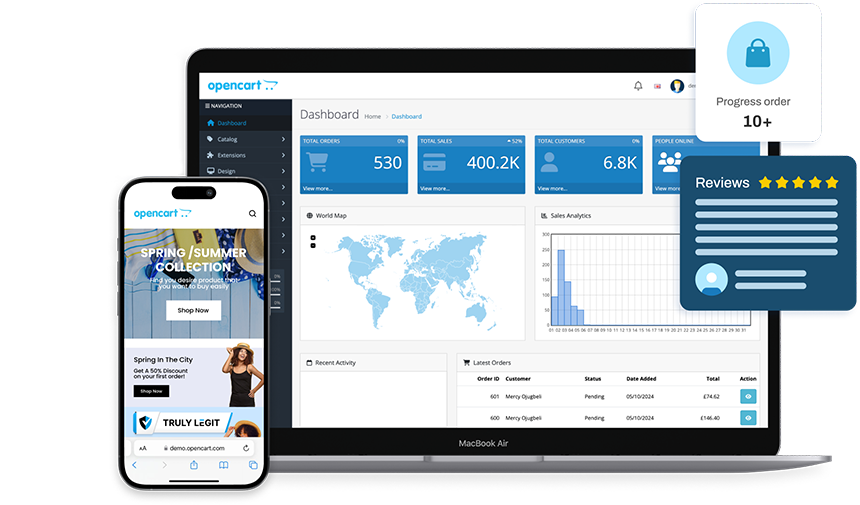
How to Create Your E-commerce Website
Establishing your e-commerce website is about more than hanging out a cyber-‘For Sale’ sign. It’s about choosing the right platform, designing for your users, and optimizing every interaction from initial click to checkout. Every choice from your platform to your product display affects your brand perception and customer confidence.
A few crucial steps for creating an e-commerce site that clicks with shoppers worldwide.
1. Choose Your Platform
Because that’s what platforms like Shopify, WooCommerce and BigCommerce do. Shopify has simple setup and great support but may feel constraining if you want complete control. WooCommerce a WordPress plugin is adaptable and open-source, but requires more technical expertise and attention.
BigCommerce straddles both worlds, providing built-in functionality and dependable support but with more expensive pricing for sophisticated requirements. Be sure to verify that the platform integrates smoothly with payment gateways and shipping tools. Personalized designs make you shine and save you time. A nice customer support is crucial, you’ll need assistance quick when things go wrong.
- Pricing overview:
- Shopify: Basic plan starts at $25/month, with higher tiers for advanced features.
- WooCommerce: Free plugin, but costs for hosting, themes, and add-ons can add up.
- BigCommerce: Standard plan starts at $39/month, with more features at higher price points.
- Opencart: Free of charge and filled with advanced features for small and large businesses.
Mobile support has to be included. Shoppers want to browse and buy easily on phones. Verify that your platform manages m-commerce out of the box.
2. Design Your Storefront
An easy to understand site design facilitates sales. Incorporate great imagery and consistent branding. Smart design, such as using color and space to direct the eye, can boost confidence and conversions.
One powerful paragraph per product beats a wall of text. Product reviews and ratings front and center. These build trust and help wimpy buyers. Neat layouts keep folks clicking around, and clear calls-to-action make it simple to purchase or discover information.
3. Structure Your Navigation
Navigation must be simple. Arrange products in logical categories and subcategories so shoppers don’t become disoriented. Try to use only a few top-level menu headers.
Include a search bar to assist users in quickly locating desired items. Faceted search allows users to narrow and pinpoint the correct product, particularly when you have tons of products that are similar. Now that you’ve picked a navigation system, test it with real users to identify weak points and repair them.
4. Integrate Payment Gateways
Choose trusted and secure payment gateways. Provide options credit cards, digital wallets, and local methods to reach more shoppers. Be PCI compliant with your setup to keep data safe.
Conduct test checkouts frequently to identify and address any friction points that could cause shoppers to abandon before completing.
5. Secure Your Website
SSL certificates encrypt data and demonstrate to customers that you care about privacy. Keep your platform and plugins updated to close off new threats. Use strong passwords and two-factor authentication for admin access.
Keep an eye out for strange behavior and address risks as they arise.
6. Optimize for Mobile
Responsive design is crucial your website needs to work on everything. Test mobile usability, from browsing to checkout, to ensure it works for all. Days & Hours Store Speed matters, slow sites lose sales, especially on mobile.
Optimize menus and forms for tiny screens. Guide traffic and display relevant products to keep them on your site, even if they don’t see what they want immediately.
Designing a Trustworthy Experience
Trustworthy ecommerce websites ooze honesty from their clear ecommerce website design decisions and blunt communication. It’s all based on a couple of things that form your user’s impression and point every click.
- Consistent branding across every page and device
- Customer reviews and testimonials on product and landing pages
- Trust badges and security seals in the checkout process
- Clear policies for returns, privacy, and shipping
- Simple navigation and mobile-first design
- High-quality visuals and accurate product information
- Personalization options to connect with diverse users
Visual Identity
A compelling look ensures that you are both recognizable and memorable. This can be one set of colors, like a primary color and a handful of complementary ones, so users know where they are on your site.
Fonts need to be readable, with sufficient contrast against their background. Use real-world imagery of your products and stay away from busy designs. Bad photos or clashing colors can cheapen the site and damage trust.
Design decisions should correspond with your brand’s values. If your brand is about green products, use greens and natural imagery to emphasize the message. Refresh the look, staying current but never losing your brand’s personality.
Social Proof
Displaying what other visitors think of your products or services can reassure new customers that it is safe to purchase from you. Push reviews just below product descriptions and on the shop page.
Request satisfied clients to share their stories on social media, in their own words and photos if they can. Collaborate with influencers who align with your brand’s values their endorsement can tap into new audiences and enhance your brand.
Develop case studies or recount tales from actual purchasers, emphasizing how your product addressed their issue or simplified their existence. These stories work globally, crossing borders and cultures, and making your site seem more transparent and sincere.
Clear Policies
- Return and refund policy
- Shipping and delivery details
- Privacy and data protection practices
- Terms of service
State shipping policies and delivery times in straightforward language. This aids in preventing confusion and keeps consumers in the loop. Your product pages require definite specs and candid photos so visitors know what’s up.
Trust design and show your privacy policies where they’re easy to find. Demonstrate what you do with their data and how you protect it. Trust badges, whether that’s SSL or third-party seals of security, provide additional peace of mind at checkout.
Clear menus, prominent call-to-action buttons and uncluttered designs make sites user-friendly, particularly on mobile devices. A mobile-first site that loads fast and works on any device is no longer a nice touch it’s a must for trust and for reaching around the world.
Selling Digital Templates
Selling digital templates is a convenient business model for creators to connect with a global audience at low cost. Templates be they planners, social media kits or website layouts can be purchased once and sold many, many times over, with superb margins.
As online business expands, so does the need for well-designed, flexible templates that cater towards various professional or individual requirements. Being clear about licensing and usage, and easy to reach for support, instills trust and creates repeat customers.
Profitable Ideas
Planners, resumes and budgeting spreadsheets go down well with students and professionals. Social media graphics and content calendars assist small businesses and influencers in staying on brand.
Educational materials, like lesson plans or worksheets, target teachers and parents. Business card, presentation and invitation design templates are consistently sought after.
Competitor analysis helps you identify gaps like an absence of templates for niche platforms or verticals. By looking at reviews and customer feedback on marketplaces, I see what people are craving but can’t locate.
Pre-sales or crowdfunding-style campaigns can help measure interest before putting time into new designs, taking risk out of the equation and validating the demand. Keeping up with design trends is key.
Minimalist layouts, bold typography, or eco-friendly themes can distinguish products. By keeping up with design blogs or online galleries, you can keep your offerings fresh and appealing. Top sellers are quick to adjust when style and user preferences change.
Delivery Systems
Automated delivery systems allow purchasers to access downloads immediately after they pay. This eliminates wait times and enhances the purchase experience.
For instance, with e-commerce platforms like Shopify, WooCommerce or Opencart, sellers can offer immediate downloads and handle digital inventory effectively.
A comparison of popular delivery systems:
|
Platform |
Instant Download |
Custom Licensing |
Customer Support Integration |
|---|---|---|---|
|
Shopify |
Yes |
Yes |
Yes |
|
WooCommerce |
Yes |
Yes |
Yes |
|
Opencart |
Yes |
Unlimited |
Yes |
|
Etsy |
Yes |
Limited |
Yes |
Templates should always come with clear instructions. Add FAQs or editing/customizing/printing guides. It cuts support tickets and makes the product easier to use.
Sellers need to specify on how buyers are able to utilize the files, ensuring copyright or licensing issues are clear.
Marketing Strategies
Social media marketing presents templates in real life scenarios, humanizing them and appealing to customers. Posts can showcase before and afters, or share client wins.
Email marketing keeps buyers engaged share updates, discounts, or template usage tips. Content marketing is crucial.
Tutorial videos, blog posts or downloadable guides provide that value and build that trust. Collaborations with bloggers or influencers extend reach.
Selecting partners with audiences related to your niche provides you more reach and more qualified traffic.
Post-Launch Growth Engine
There’s no doubt about the importance of post-launch growth engine to any e-commerce business looking to increase revenue and grow past the initial launch. It’s more than just keeping the trains on time, it’s about tracking and learning and pivoting quickly to fulfill what customers need.
This is the stage where data-informed decisions, continuous site optimization, and user experience converge. Personalized, frictionless buying journeys matter a lot. Nearly 80% of consumers say they purchase more when the website seems customized to them.
Fast load times, easy site flow and mobile-first design all go a long way in driving returning buyers.
E-commerce SEO
Optimizing product pages begins with selecting keywords that align with buyer search across marketplaces. Employ straightforward, obvious titles and populate descriptions with search-phrases that get your products to rank higher in search results.
Second, create content that answers frequently asked questions imagine in-depth FAQs, how-to’s or comparisons. This builds trust and it helps search engines view your site as helpful!
Link-building is key: reach out to trusted blogs or industry directories for backlinks. These links increase your domain’s authority, which makes it easier for people to discover you.
Continuous SEO monitoring with Google Search Console or SEMrush identifies what’s effective and what requires adjustment. Weekly checks mean you catch problems early and keep your site growing.
Data Analytics
Analytics tools provide you with an insightful perspective of what’s truly occurring on your site. Measure how people find you, what they view and where they abandon.
Tracking conversion rates and sales over time indicates which products are hits and which need tweaking. Segment your customers age, location, last purchase date, etc. to send offers that fit.
This makes your marketing shisper and more intimate. Establish targets such as click-throughs or repeat sales. This keeps your strategy grounded and helps you more easily identify trends or identify when you should shift your approach.
Data-informed sites frequently utilize these learnings to experiment with new layouts, new ad channels, or even new product lines.
User Feedback
Getting feedback is more than soliciting star ratings. Ask for reviews after every sale and simplify the process for them to do so.
Conduct short surveys to inquire about their site usage, shipping preferences, or what they hope the store will stock next. Let all feedback positive or negative direct what you should modify.
Perhaps it’s a new product or a speedier checkout or more transparent sizing charts. Respond to reviews or comments whenever possible, even if it’s just a brief ‘thank you.’
This demonstrates to shoppers that you listen and care, which builds trust and loyalty.
The Future-Proof Mindset
A future-proof mindset means forging your e-commerce site to flourish through flux. Today, this perspective is crucial for future-proofing. It demands a sturdy, flexible, user-centric digital presence, capable of enduring change in market and tech landscape.
Sites need to manage expansion, adopt new technologies, and adapt as user behavior evolves. Creating a future-proof stage means planning to scale, leaving space for new payment methods, staying mobile-first, and keeping security and performance a high concern.
Scalability
Thinking ahead begins with selecting e-commerce platforms that enable you to scale seamlessly. Opt for solutions with modular add-ons, cloud hosting, or API-first builds so you can tack on features or new sales channels as needed.
For example, Shopify and Magento allow you to start small and scale without overhauling your entire system. As your business expands, check your supply chain. Ask yourself, can your warehouse and shipping partners process twice as many orders?
If you see holes, find partners with scalable logistics or multi-warehouse support. For example, scaling up might mean new products or new regions. Do pilot launches or test markets before you go all in.
Eye consumer and tech trends. If mobile payments or a new sales channel catches on in your key market, you want to be prepared not trailing. Data dashboards can help catch these shifts quickly, giving you the moment to adapt.
Personalization
Personalization is where the data hits the shopper. Use customer data to tailor the entire visit from homepage to checkout. By tracking previous purchases, browsing habits, and even location, you can display the right products at the right time.
Recommendation engines, such as Amazon’s or Alibaba’s, track what users do and recommend other goods, simplifying the search process for buyers. Marketing benefits from personalization as well.
Personalize emails with product recommendations or offers based on customer preferences. Even the little touches, like addressing users by name or recalling their size, engender loyalty. Customized offers and reminders bring them back.
If a customer abandons their cart, a post-it email with a small discount can capture them.
Logistics
Order fulfillment needs to be rapid and smooth. Find a way to automate picking and packing, so your team can work fast without mistakes. Third-party logistics firms, like DHL or FedEx, provide scalable shipping that can grow with you.
Consistent delivery generates faith and decreases grumbling. Watch your inventory closely. Real-time inventory systems warn you ahead of running out or overstock, helping prevent lost sales.
Tracking tools inform customers with every step, from warehouse to doorstep. This transparency does a lot to establish expectations and reduce support tickets.

Conclusion
Here’s how to build your e-commerce site, with common sense steps and savvy decisions. Choose simple design and quick site speed. Utilize secure payment instruments. Choose a design that allows shoppers to locate items. Sell products or templates that help people solve real needs. Keep your store fired-up with updates and new products! Be prepared to experiment with new tools and work methods. Use numbers to test what works and what changes. Consider every sale and click as an opportunity to learn and expand. Pass along victories and hard-learned lessons. Contact me if you would like more tips or assistance to get started or grow your store. Let’s construct your e-commerce narrative one step, one sale, one victory at a time.
Frequently Asked Questions
What is the first step in creating an e-commerce website?
Begin by selecting a trustworthy ecommerce platform, as this serves as the foundation for your ecommerce website and powers critical features such as product listings, payments, and security.
How do I design a trustworthy e-commerce website?
Take advantage of a clean layout and clear navigation in your ecommerce website design, while visible contact information, customer reviews, and security badges help increase trust during the online shopping experience.
Can I sell digital templates on my e-commerce site?
Sure, most ecommerce platforms support digital products, allowing you to provide templates for immediate download upon purchase, simplifying the online shopping experience for your customers.
How do I ensure my e-commerce website is mobile-friendly?
Make your ecommerce website responsive so it shrinks or flows to small screens. Be sure to test your online store on several devices to ensure a smooth mobile shopping experience.
What strategies help grow an e-commerce site after launch?
Promote your ecommerce website through social media and email campaigns, and optimize your online store for search engines. Keep your content fresh and monitor your stats to enhance your online shopping experience.
Why is a future-proof mindset important in e-commerce?
Things, both technology and customers’ needs, evolve fast. By being flexible and receptive to emerging trends in ecommerce website design, your site can stay competitive and cutting edge.
What payment methods should my e-commerce website offer?
Providing multiple safe payment methods like credit cards, digital wallets, and local payment options enhances the online shopping experience, making it more convenient and trustworthy for your potential customers worldwide.