






The State of Ecommerce Shipping in 2026: What Has Changed and Why It Matters
Ecommerce shipping in 2026 looks very different from even two years ago. Costs are higher, customer patience is thinner, and mistakes are far more visible. What used to be a back-office function has become a core part of the buying decision. For many shoppers, shipping is no longer a final step it is the deciding factor.

One major change is predictability over speed. Customers still want fast delivery, but what they value more is accuracy. Clear delivery dates, upfront duties, and honest pricing now outperform vague promises of “fast shipping.” Stores that miss delivery windows or surprise customers with extra fees see higher refund requests and lower repeat purchases.
Cross-border selling has also become more complex. New tax enforcement rules, stricter customs data requirements, and tighter courier compliance mean international shipping errors are more expensive than before. In 2026, incorrect HS codes, undervalued parcels, or missing paperwork can stop an order entirely, not just delay it.
Another shift is cost transparency for merchants. Fuel surcharges, peak season fees, and carrier adjustments change more frequently, forcing store owners to monitor shipping margins weekly, not quarterly. Shipping is now a variable cost that directly affects profitability, not a fixed line item you can ignore.
Technology plays a bigger role, but not in the way many expected. Automation is no longer about doing everything automatically. It is about making controlled decisions at scale choosing the right carrier, service level, and packaging based on product value, destination, and customer expectations.
What all of this means is simple: ecommerce shipping in 2026 is no longer forgiving. Stores that treat shipping as an afterthought lose money quietly. Stores that treat it as a system measured, tested, and adjusted protect margins and earn trust. This article helps you build the second type.
How Customer Expectations Around Delivery Speed, Cost, and Transparency Are Shifting
Customer expectations around ecommerce shipping in 2026 are shaped less by marketing promises and more by lived experience. Shoppers now compare your delivery performance not just to competitors in your niche, but to every online order they receive in a week. That comparison sets a higher and less flexible baseline.

Speed still matters, but speed without clarity no longer wins. Customers prefer a reliable four-day delivery with a confirmed date over a vague two-day promise that might slip. Missed delivery estimates are remembered longer than slow ones. In 2026, accuracy builds confidence, while overpromising quietly erodes it.
Cost sensitivity has also changed. Customers are not automatically looking for free shipping anymore, but they do expect honesty. A higher shipping fee is accepted when it is explained clearly and shown early in the checkout process. What shoppers reject is late-stage cost surprises extra delivery fees, unexpected duties, or courier add-ons that appear after payment.
Transparency now extends beyond pricing. Buyers want to know:
-
When the order will ship
-
Which carrier will handle it
-
Where the package is at every stage
-
What happens if something goes wrong
Stores that fail to provide this information see more support tickets, more chargebacks, and lower lifetime value per customer.
Another noticeable shift is how customers judge fairness. Shipping policies are being evaluated as part of brand trust. Clear return shipping rules, visible delivery timelines, and plain-language explanations matter as much as product descriptions. Inconsistent policies across regions or vague wording trigger hesitation, especially for international buyers.
In 2026, customers do not demand perfection, but they demand visibility. When delivery speed, cost, and process are clearly explained, shoppers are more forgiving of delays and more likely to return. Shipping expectations have moved from “fast and cheap” to “clear, accurate, and predictable.”
Ecomerce Shipping
How to Calculate Shipping Costs
Shipping costs in ecommerce start with the physical characteristics of the product. Weight, dimensions, and packaging type determine the base rate charged by carriers. Larger but lightweight items are often billed using dimensional weight, which can cost more than actual weight if packaging is inefficient.
Distance is the next major factor. Shipping zones are calculated from your fulfillment location to the customer’s address. The farther the destination, the higher the cost. International shipping adds further complexity, as distance combines with border controls and customs handling fees.
Carrier service level directly affects pricing. Economy, standard, express, and same-day services each carry different rates. Faster delivery options cost more, not only due to speed but because they reduce carrier flexibility in routing and consolidation.
Fuel surcharges and variable fees must also be included. These charges change frequently and are applied by most carriers on top of base rates. In 2026, fuel-related adjustments are one of the most unpredictable elements of shipping cost calculations.
Duties, taxes, and customs fees apply to cross-border orders. These costs depend on product category, declared value, and destination country regulations. Failing to account for them upfront leads to underpriced shipping and customer disputes.
Packaging choices influence shipping costs more than many merchants expect. Oversized boxes, excess padding, or non-standard packaging increase dimensional weight and handling fees. Right-sizing packaging is one of the fastest ways to reduce shipping expenses.
Returns must be factored into shipping cost calculations. Outbound shipping is only half the equation. Return shipping labels, restocking logistics, and carrier fees all impact the true cost per order.
How does Ecommerce Shipping Work
Ecommerce shipping is the process that starts when a customer places an order and continues until the package is delivered and confirmed. After checkout, the system verifies payment, checks inventory, and calculates shipping based on factors such as destination, weight, size, carrier, and delivery speed. The order is then packed, labeled, and handed to a carrier, which moves it through sorting centers and delivery networks while providing tracking updates to both the store and the customer.
For international orders, additional steps such as customs declarations, duties, and tax handling are required, which can affect delivery time and cost. If problems occur, the merchant manages delays, replacements, or refunds, and if a return is requested, the process runs in reverse. In short, ecommerce shipping is a connected system of decisions and logistics that directly affects costs, customer satisfaction, and a store’s ability to grow.
What is Ecommerce Shipping
Ecommerce shipping is the process of moving a product from an online store to a customer after a purchase is completed. It includes calculating delivery costs, selecting a carrier and service level, packaging the item, generating shipping labels, and tracking the parcel until it reaches the buyer. For domestic and international orders alike, ecommerce shipping also involves managing delivery timelines, handling customs and taxes where required, and resolving issues such as delays or returns. In practice, it is not just about sending a package, but about controlling costs, meeting delivery expectations, and maintaining customer trust throughout the entire order journey.

How to set up Shipping for Ecommerce
Setting up shipping for ecommerce starts with defining how and where you will fulfill orders. Before choosing carriers or pricing models, you need a clear understanding of your shipping origins, whether orders ship from a single location, multiple warehouses, or a third-party fulfillment partner. This decision affects delivery speed, shipping zones, and overall costs, so it should be aligned with your product margins and customer locations.
The next step is selecting the shipping methods you will offer at checkout. Most stores provide a mix of economy and faster options to balance cost and convenience. Each method should have clear rules based on weight, destination, and order value. Avoid offering too many choices, as this can confuse customers and increase operational errors. Fewer, well-defined options are easier to manage and easier for customers to understand.
Once methods are defined, set up your shipping rates. Rates can be flat, real-time from carriers, or condition-based using rules. Whatever model you choose, ensure it reflects your true costs, including packaging, fuel surcharges, and handling time. Underpricing shipping may increase conversions short term, but it often leads to margin erosion as order volume grows.
Packaging configuration is often overlooked but is critical. Define standard box sizes, weights, and protection requirements for each product type. Accurate packaging data ensures shipping rates are calculated correctly and prevents unexpected carrier adjustments after dispatch. This step alone can prevent many common billing disputes.
For international shipping, configure customs information early. Product descriptions, values, HS codes, and country of origin should be accurate and consistent. Decide whether customers pay duties at checkout or on delivery, and make this clear in your shipping policy to avoid confusion and returns.
Continue by testing the entire shipping flow before going live. Place test orders across different regions, shipping methods, and order sizes to confirm rates, labels, and tracking updates work as expected. A shipping setup is not complete when it is configured it is complete when it performs reliably under real customer conditions.

How Ecommerce Shipping Works
Ecommerce shipping works as a structured process that connects your online store, your fulfillment operation, and the delivery carrier into a single workflow. When a customer places an order, the system confirms payment, checks stock availability, and calculates shipping based on predefined rules such as destination, weight, size, and selected delivery speed. These rules determine which shipping options are shown at checkout and how much the customer pays.
Once the order is confirmed, the fulfillment stage begins. The product is picked from inventory, packed using the appropriate packaging, and labeled with carrier-specific information, including tracking details and delivery address data. At this point, shipping accuracy depends heavily on correct product weights, dimensions, and packaging setup. Errors here often lead to higher fees or delivery delays later.
The carrier then takes control of the parcel. It moves through sorting facilities, regional hubs, and last-mile delivery networks until it reaches the customer. Tracking updates are sent back to the store and the buyer throughout this journey, helping manage expectations and reduce support inquiries. Delivery performance at this stage shapes how customers judge reliability, even though it happens outside the merchant’s direct control.
For international orders, additional steps apply. Customs declarations, duties, and tax assessments must be completed before the shipment can enter the destination country. Incorrect documentation can pause or return a shipment, increasing costs and delivery time. Clear upfront handling of these requirements reduces disputes and improves cross-border trust.
If delivery issues occur or a return is requested, the process extends beyond the initial shipment. Merchants manage replacements, refunds, or return shipping, which adds cost and operational effort. In practice, ecommerce shipping is not a single action but a connected system of decisions that influence profitability, customer satisfaction, and long-term growth.
What is DHL Ecommerce Shipping
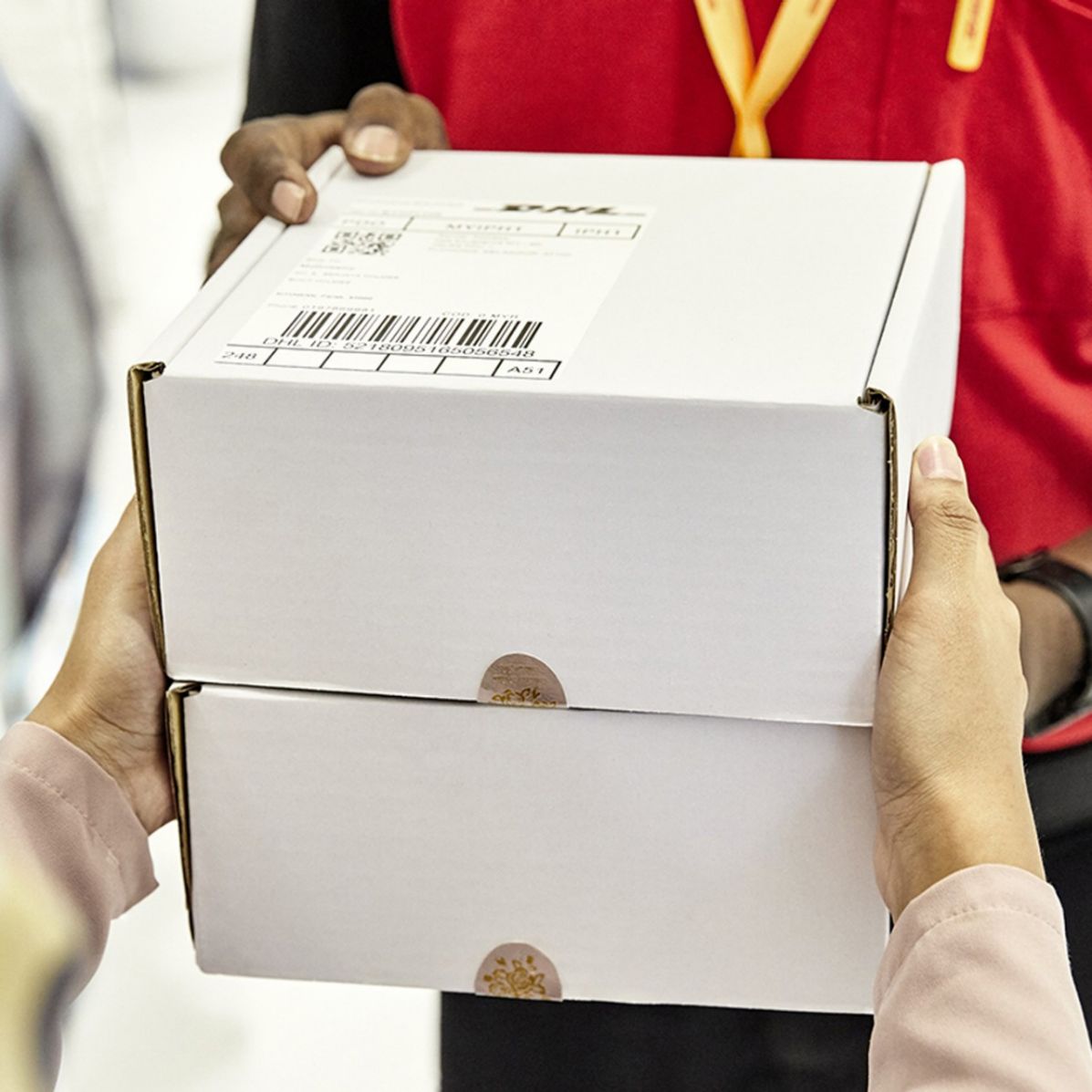
DHL eCommerce shipping is a parcel delivery service designed specifically for online retailers that ship high volumes of lightweight packages domestically and internationally. Unlike DHL’s express services, DHL eCommerce focuses on cost efficiency rather than speed, making it suitable for standard delivery options where delivery timeframes of several days are acceptable. Merchants use it to ship orders reliably while keeping shipping costs predictable and margins under control.
In practice, DHL eCommerce works by collecting parcels from the merchant or fulfillment center, transporting them through DHL’s global logistics network, and then handing them off to local postal services or last-mile delivery partners in the destination country. This hybrid model keeps costs lower while still offering tracking visibility at key stages of the delivery journey. Customers receive tracking updates, delivery confirmations, and estimated delivery windows, which helps reduce uncertainty even when transit times are longer.
For ecommerce businesses, DHL eCommerce shipping is often used for cross-border orders, subscriptions, and lower-value products where express delivery would be too expensive. It allows store owners to offer international shipping at competitive rates while maintaining a consistent delivery process. When set up correctly, it provides a balance between affordability, reach, and operational reliability three factors that matter more than ever in ecommerce shipping.
How to Calculate Shipping for Ecommerce Site
Calculating shipping for an ecommerce site starts with identifying the true cost of sending one order, not just the carrier’s base rate. Many stores make the mistake of pricing shipping based on estimates, which leads to margin loss over time. A correct calculation includes product weight, package dimensions, destination, carrier service level, and handling requirements, all working together as a single cost system.
The first step is to calculate shipping weight accurately. Carriers charge based on actual weight or dimensional weight, whichever is higher. Dimensional weight is calculated using the package size, so oversized boxes can increase costs even for lightweight products. This is why packaging decisions directly affect shipping prices and must be defined before setting rates.
Next, factor in distance and delivery zones. Shipping costs increase as parcels move farther from the fulfillment location. Domestic zones are usually predictable, while international destinations vary widely due to border handling and regional carrier fees. Your ecommerce platform should apply different rules for local, regional, and international orders to avoid undercharging.
Carrier service levels also influence calculations. Economy, standard, and express options carry different rates and handling priorities. When calculating shipping, you should decide which services you will offer and ensure the price shown to customers reflects the service they select. Faster delivery always costs more, and that cost should be visible early in checkout.
Additional charges must be included to avoid hidden losses. Fuel surcharges, peak season fees, residential delivery fees, and handling costs often apply on top of base rates. These fees change frequently, so shipping calculations should be reviewed and updated regularly, not set once and forgotten.
For international orders, duties and taxes are part of the calculation. These costs depend on product category, declared value, and destination country rules. You must decide whether customers pay these charges at checkout or on delivery and calculate shipping prices accordingly to prevent disputes and returns.
You must include returns in your calculation. Outbound shipping is only one side of the equation. Return shipping labels, restocking logistics, and carrier fees affect the real cost per order. When all these elements are combined, shipping prices become accurate, predictable, and sustainable as your ecommerce business grows.