





One-click checkout solutions: Benefits, options, and common pitfalls (2025)
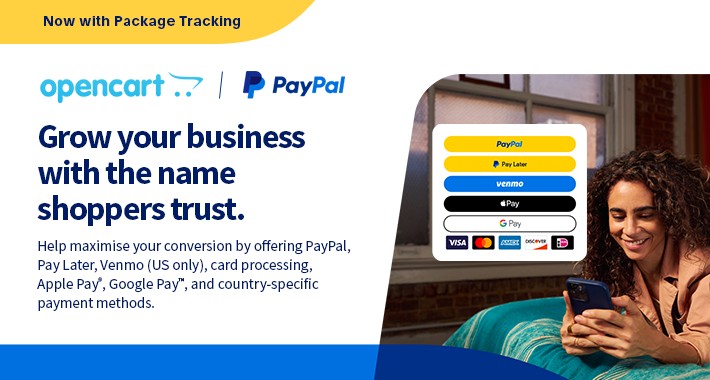
Popular one-click checkout solutions shoppers actually use
-
Apple Pay
Uses biometric authentication (Face ID / Touch ID) to complete checkout instantly on supported devices. Especially dominant on mobile and iOS traffic. -
Google Pay
Enables one-tap checkout using saved cards and addresses, widely used on Android and Chrome-based browsers. -
PayPal
Allows returning users to check out with a single login or confirmation, with no need to re-enter card or shipping details. -
Shop Pay
A high-performing one-click checkout that saves customer details securely and is known for very fast repeat purchases. -
Amazon Pay
Lets shoppers use their Amazon account credentials to complete checkout in one step, leveraging Amazon’s stored data and trust. -
Stripe Link
A network-based one-click checkout that remembers customer payment details across thousands of Stripe-powered sites.Why these matter
Research consistently shows that reducing checkout steps increases conversion, especially on mobile. One-click solutions work because they remove friction: no forms, no passwords, no repeated data entry.
Why Fast, Secure, and Mobile-Optimized One-Click Checkout Is Essential for Modern E-Commerce Success
- Fast one-click checkout solutions are essential for modern e-commerce, enabling quick, frictionless transactions that improve customer satisfaction and reduce cart abandonment rates.
- By combining payment options and pre-filled information into a one-click process, it makes the user’s journey more efficient and boosts conversion around the world.
- By focusing on mobile optimization and responsive design, we guarantee that our checkout flows keep pace with global consumers who are shopping more and more on mobile devices.
- Strong security measures such as encryption and fraud prevention are essential not only to safeguard customer information, but to establish trust and adhere to legal requirements worldwide.
- Seamless integration with existing platforms, backed by comprehensive testing and ongoing optimization, ensures that you get the most efficiency and the least implementation headaches.
- Taking advantage of cutting edge technology, like AI personalization and biometric authentication, can make checkout experience even better, fueling more customer loyalty and competitive advantage.
Fast one-click checkout solutions assist buyers complete online transactions with a single tap or click. A lot of stores utilize these to reduce queue time and prevent abandonment.
Brands such as Bolt and Fast demonstrate how swift payments assist both outlets and purchasers. With one-click, you bypass long forms and pay immediately.
To demonstrate how these tools operate, the following section demystifies core functionality and things to look out for.
What are fast one-click checkout solutions?
Fast one-click checkout solutions refer to customers purchasing things online with a single click, using payment information they had previously stored. This eliminates burdensome steps, keeping purchasing easy and frictionless. For merchants, it’s a method of assisting users complete their purchases quickly, which makes consumers satisfied and loyal.
By removing friction points, these checkout tools can assist retailers in reducing the notorious cart abandonment ratesup to 70% and increase conversion rates.
1. The core mechanism
At the center of fast one-click checkout is allowing users to save payment and shipping info with a trusted payment provider. When they return, they can check out without filling in details again. That equates to less mistakes no mistyped card numbers or addresses and fewer screens to punch through.
The one click button is important it eliminates the requirement to complete forms or confirmation pages, streamlining the process. Pre-filled info is what makes this work, slicing seconds and reducing drop-off. At its core, it depends on robust payment gateways, which have to conform to stringent criteria such as PCI DSS to secure user data. Without it, customers and merchants alike are at risk.
2. The user journey
From selecting to purchasing, one-click checkout transforms a multi-step hassle into seconds. Once they select a purchase, users view a one-click option if they have saved information. One tap and purchase complete.
They experience the fast and easy at these touchpoints, particularly on mobile devices where typing is difficult. Fewer steps equal less opportunity to bail out before completion, so cart abandonment plummets. Transparent, easy-to-understand prompts at every step build user confidence. When people know what’s happening, they’re more comfortable sharing payment details.
3. The business impact
For merchants, fast one-click checkout can increase transactions and profits. Less abandonment, more conversions that’s how you end the month with a healthy number. For repeat buyers, it’s even easier, which can grow customer lifetime value.
The easy flow allows stores to gather more insightful information on purchasing behavior, enabling them to serve customers more effectively. In oversaturated marketplaces where convenience rules, fast and easy differentiate stores, providing an advantage to the fastest competitor.
4. The technology behind
Speed is of the essence in the digital age. With studies indicating that speedy, frictionless checkout equals more conversion and less lost sales. Breezy checkout shoppers come back, building loyalty.
With more shopping by phone every day, mobile checkout needs to be fast and easy too or you lose people. One-click systems, designing on secure payment tech, satisfy these demands for both web and mobile.
Why your business needs this speed
Competitive global eCommerce has made a fast, one-click checkout system a business imperative. With an average cart abandonment rate around the world hovering close to 70%, a significant portion of this leak stems from sluggish or perplexing checkout flows. When checkout is frictionless, shoppers won’t pause and they shan’t abandon.
With a few merchants reporting a 50% increase in orders per day since converting to one-click checkout, the bottom-line implications couldn’t be more obvious.
Conversion uplift
Because a frictionless, rapid checkout cultivates more than a sale – it cultivates trust. Customers feel more secure when their checkout process is seamless and their confidential information treated with respect. A straightforward procedure minimizes the chance of mistake, assisting to cultivate a space where shoppers are eager to come back.
Personalization (think: pre-filled address fields or custom payment options) can boost satisfaction and push customers to complete their sales. One-click checkouts facilitate impulse action from buyers, which upsells average order value as customers toss in freebies with minimal resistance. Consistency counts too if customers can anticipate an easy experience each time, repeat business increases.
Take, for instance, a European apparel brand that experienced a 36% increase in its monthly conversion rate within just three months of launching one-click checkout, purely because its customers trusted the system and speed.
Customer loyalty
Fast checkout is now at the heart of loyalty. When buyers enjoy themselves, they’re inclined to return. One-click delights them by simplifying the purchase process so that they save time every time they visit.
Customers who become accustomed to this convenience, stay with stores that provide it. A speedy, simple checkout reduces the tension of giving away payment details, which fosters lasting trust. So many brands have discovered that when checkout is fast, customers come back and buy more, again and again.
Mobile advantage
Mobile shopping continues its charge, and on-the-go users crave speed more than anything. Most cart abandonment occurs on smartphones with rates exceeding 85%. Long forms or clunky pages turn shoppers off.
One-click checkout is designed for these occasions, allowing consumers to complete their purchases with a single click. Responsive design means your content and ads look great on any screen, any device. New research reveals mobile conversion rates rise quickly when checkout is easy, occasionally equaling or surpassing desktop rates for stores who nail it.
Operational efficiency
Eliminating friction at checkout doesn’t just assist your consumers. As an example automated one-click systems reduce human error and staff time. Less checkout issues less calls or emails to customer care and support, saving time and money.
Companies can accommodate additional orders without additional staff. Integration with existing platforms is usually easy, so setup is fast and low risk. For instance, a mid-sized retailer implemented one-click checkout and cut checkout-related service tickets by 40 percent in two months.
Key features
One-click checkout must be quick, yet secure as well. Leading options utilize reliable payment gateways, encrypt, and safeguard information. Good design makes this process transparent and intuitive.
Analytics enable businesses to track what’s working and what needs to be repaired. Customizable flows ensure every customer wherever they are receives the correct options. Stores that choose tools with these characteristics experience more sales and satisfied customers.
Key features of top-tier solutions
Fast one-click checkout solutions are transforming ecommerce. These platforms allow consumers to complete a transaction with a single tap, typically after storing their payment and address information on a previous visit. The trick is to slash the steps, which aids cart abandonment.
Approximately 70% of carts are abandoned, frequently as a result of lengthy or perplexing checkout processes. An easy, one-click process keeps stores more sales, particularly on mobile, where typing is difficult. Most stores experience increased conversion and satisfaction after implementing one-click options.
Payment flexibility
One-click solutions have to provide multiple payment options such as credit cards, digital wallets and local methods. Digital wallets such as Apple Pay, Google Pay and Alipay are commonplace in many markets. Embracing them provides buyers with additional payment options, enabling merchants to access consumers of multiple backgrounds.
Payment flexibility is important for international buyers as well. In others, it’s bank transfers or cash-on-delivery, and in others still, mobile wallets reign supreme. Shopify and Amazon, for example, power multiple payment types, enabling them to access a broader audience around the world.
It’s not just about offering choices; it also streamlines the buying process. When customers see a payment method they trust, they are less likely to abandon their shopping cart. Research shows that flexible payment solutions reduce cart abandonment rates and boost repeat purchases.
For instance, Zalando in Europe integrated additional local payment types and saw a significant increase in checkout success. Companies aiming for global expansion should analyze popular payment systems in each market and incorporate them into their fast checkout flow.
Global compliance
Stores that want to sell worldwide must comply with global payment rules. Payment is regulated by each country. Adhering to standards like PCI DSS for card payments protects buyers and prevents stores from paying penalties. It establishes credibility.
Folks want to know their info is safe, and they’ll be comforted by indicators of compliance. Including local payment methods implies verifying regulations in every jurisdiction. For instance, Brazil has its own payment processing needs and the EU has aggressive data protection laws.
To keep the checkout seamless, a lot of these companies utilize payment service providers which take care of compliance in each country. Stripe and Adyen have a reputation for this. They assist retailers in complying with regulations so consumers have a uniform experience across the board.
Security protocols
Safeguarding payment data is crucial. One-click systems rely on encryption and tokenization to secure data. Encryption jumbles information while in transit, so that even if hackers intercept it, they can’t make sense of it.
Tokenization exchanges actual payment information for a “token,” rendering it worthless if pilfered. These measures protect against fraud and secure purchasers. One-click solutions often include additional safeguards, such as two-factor authentication, to prevent fraudulent transactions.
Strong security is not just tech. It establishes trust. Buyers will purchase if they believe the store is going to protect their information. Brands like PayPal and Apple have built reputations on hard security, allowing customers to feel comfortable using one-click checkout.
Companies must regularly update security tools and train employees to identify threats.
Seamless integration
A best-in-class one-click solution integrates with current e-commerce platforms to provide a seamless checkout experience. Good tools have APIs that hook into stores with minimal effort, ensuring that the efficient checkout experience is maintained. Opencart, Shopify, WooCommerce, and Magento all feature or have add-ons for fast checkout, allowing users to click the checkout button with ease.
For small shops, some don’t require any code at all, which saves time and reduces expenses when deploying a new checkout. This simpler checkout process enhances the buyer’s journey, leading to a quick, easy experience. Staff devotes less time to troubleshooting, allowing them to focus on improving the overall shopping experience.
An example: A mid-sized apparel brand added a one-click tool through a standard plugin and saw a 25% drop in cart abandonment in three months. Choose a payment solution compatible with your platform and with support if issues arise to ensure a smooth buying process for your customers.
Common pitfalls and optimization
Dashing to release one-click checkout without a strategy can be a nightmare. Some companies cheat and deliver bugs that tick off customers. Some even forget to test if it actually works on all devices.
Most don’t even monitor how shoppers interact with the new checkout, overlooking issues that cripple conversions. It’s ingenious to begin with a design. Plan objectives, select payment forms, and preview on any device.
After launch, observe how buyers interact with the system. Search for drop off points. Request feedback. Address pain points quickly. Continue to tweak the experience, so it remains nimble as buyer desires evolve.
Common implementation mistakes to avoid
Quick one-click checkout solutions, such as Google Wallet and PayPal, can assist companies in boosting conversion rates; however, they often stumble over the same errors. Small design or process glitches can cost lost sales, diminished trust, or even brand damage. Understanding and avoiding these most common mistakes is key to creating a seamless checkout experience.
Poor user interface
A cluttered or confusing UI will drive buyers away from their carts, leading to a complicated checkout process. There are just too many fields, the prompts are confusing, or the layout is cluttered customers blow up and splatter. Small tweaks, such as auto-formatting credit card numbers, displaying trust badges, and providing a direct route to the checkout page, can create a simpler checkout experience.
Users should feel led instinctively through an intuitive design. For example, Amazon and Opencart both optimized their payment method options and experienced increased conversions after emphasizing clean, user-friendly designs. Don’t hide important actions behind ambiguous buttons or ask for excessive information.
Too many steps or vague asks, such as not clarifying why a phone number is requested, decrease trust and drag the fast checkout flow.
Inadequate testing
Introducing a seamless checkout experience without testing is dangerous. Hard testing like A/B testing helps you identify bottlenecks that annoy customers or hinder progress in the buying process. User test as you go, collect feedback to discover pain points and address them before the full launch of your online store.
Internal QA is not sufficient; you need REAL USERS to find the things that teams miss. Companies that bypass this phase risk their payment solution features failing in the wild, leading to increased abandon rates and decreased customer satisfaction.
For example, things that appear slick in the test environment might freeze or crash under actual traffic and cost you.
Ignoring mobile users
Ignoring mobile optimization is checkout abandonment kryptonite. More than 50% of ecommerce worldwide occurs on mobiles. Mobile users anticipate rapid, easy checkouts that employ limited screens effectively.
When a site’s not responsive, fields can break or buttons get tough to tap, frustrating users. To fix this, create a mobile-first design, test across different devices and maintain load times of under two seconds.
Think about the way users deal with their phones–thumb friendly design, auto fill for address, guest checkout, etc. Can all help. Responsive design makes sure the checkout functions on any device, from phones to tablets.
Neglecting security
Lack of proper security exposes customer data and erodes trust. Shoppers seek out known trust symbols and security badges prior to keying in sensitive information. Not presenting these, or not implementing best practices such as SSL encryption, can lead to customer pause or abandonment.
Secure one-click checkout entails transparent privacy policies, PCI DSS compliance, and frequent security audits. If a breach does occur, the consequences can be devastating damage to your reputation, litigation risk and customers defecting to more secure rivals.
Security first maintains user confidence and conversions.
Failing to adapt to fast-evolving trends
Checkout’s future is frictionless and fast, powered by better AI, biometrics, and more. Customers anticipate a sub-two-minute process anything longer, and they’re liable to abandon. As technology advances, so do buyer expectations businesses that embrace trends lead.
Integrating new payment methods, leveraging predictive analytics to improve your user flows and providing local payment options are just some examples. Observe the market and be prepared to shift quickly.
Not adapting is getting left behind by retailers with faster, safer, smarter checkouts.
The future of frictionless commerce
Frictionless commerce, meanwhile, is all about eliminating pain points when shopping particularly at checkout. The rush to find speedier, simpler ways to pay is reinventing retail globally. One-click checkout, biometric authentication and AI-powered personalization are just the tip of the iceberg.
Shoppers demand less waiting, more choices and better security. It’s not just about velocity, it’s about trust and comfort. Technologies like smart carts, RFID, and mobile self-scanning are crossing the chasm from pilot to mainstream in many markets. Overall self-checkout market to reach USD 13.98 billion by 2030, growing fast, as retailers prioritize queue reduction with simplest checkout.
Biometric authentication
Biometric authentication slots perfectly into the demand for rapid, secure checkout. Tech such as fingerprint, facial, or even voice recognition are becoming prevalent in-store and in-app. These tools reduce fraud and ensure that only the shopper can authorize the purchase.
Biometric methods are now mainstream, particularly as mobile payments expand. Shoppers have demonstrated they’ll ditch old-school PINs or passwords in favor of the convenience and security of a fast fingerprint or face scan. It’s a worldwide trend, with banks, supermarkets and online stores incorporating them to keep pace with increasing security requirements and consumer appetite.
Amazon’s palm-scanning at grocery stores and Apple’s Face ID in mobile payments are good examples. They demonstrate how biometric checkout compresses the friction of payment and generates increased conversion by eliminating dropout at the last step.
AI personalization
AI is transforming checkout into something more personal. By observing what each shopper purchases and how they shop, AI is able to present the appropriate payment options or recommend faster checkout methods. This allows stores to tailor checkout flow to each individual, whether it’s a small basket or a cart overflowing with merchandise.
With a focus on a seamless checkout experience, AI can flag items for quick re-order, one-tap payment, or skip steps for repeat buyers. This kind of insight not only leads to greater satisfaction but also keeps shoppers coming back. Data from mobile apps and in-store sensors fuel these systems, enabling companies to optimize the payment selection.
With AI-powered analytics, stores can identify friction points and address them, optimizing for both speed and security in the buying process.
Social commerce integration
Social media is now an actual stage of the checkout process. Shoppers can purchase directly from their feeds without exiting the application. Instagram and WeChat have had built-in payment and fast checkout tools, enabling one-click purchases within their platform.
This turn of events makes it imperative for brands to eliminate the transition from browsing to buying. Social commerce increases engagement and sales, notably among younger shoppers who want to shop where they connect. Clear cases in point are TikTok Shop and Facebook Marketplace, each employing fast checkout to reduce cart abandonment.
The lower the friction for transition from scroll-to-pay, the better the outcomes for stores and brands.
One-click vs express checkout
One-click and express checkout each reduce time in line at the register, but they differ in their implementation. One-click enables shoppers to buy with a single tap, leveraging previously saved details, whereas express continues to request some details but less than traditional checkout.
One-click’s big victory is that it’s fast and convenient, which especially helps during peak hours or when customers are using mobile devices. It’s perfect for small, quick buys and large weekly shopping trips, as it appeals to a variety of consumers.
Amazon and Alibaba’s own data indicates that simply supplementing with one-click checkout can increase conversions and reduce cart abandonment. When you know what each shopper is after speed, security, or more control stores can choose the right checkout tools and get better results.
Differentiating one-click from express checkout
Lightening fast one-click checkout options have revolutionized the way customers make online purchases. They assist e-commerce sites in reducing lost sales by simplifying and speeding up the checkout process. With one-click checkout, a shopper who has already stored their payment and shipping info can purchase with a single tap or click.
No forms, no additional steps and no time wasted. This is a big step up from express checkout, where the buyer still enters information just not as much as a full, multi-step process.
What makes one-click checkout special is that it eliminates virtually all friction. Shoppers don’t need to enter anything new. Their payment and shipping information is already all set from their previous visit. Which implies the entire transaction can complete in seconds.
This is crucial for mobile shoppers, where typing is slower and error-prone. Express checkout, though speedier than the old method, still requires some manual input. Buyers may have to input their email, shipping, or payment info. It’s not as seamless or rapid as the one-click model, particularly for returning shoppers.
For e-commerce businesses, one-click checkout is a no-brainer. Research has indicated that it can increase conversions by as much as 21% over lengthier, multi-step approaches. That equals more people completing their order instead of abandoning their cart.
Impulse purchases happen, and loyal shoppers visit more frequently because it’s just that simple for them. Express checkout does as well, but not as much. It’s ideal for first-time buyers or those who don’t want to store their account information. Still, its repeat rate is usually lower because buyers have to type in their info again.
To stay competitive in e-commerce is to constantly seek to make checkout faster and easier. Consumer behavior changes quickly. What was fast last year may seem sluggish today. Sites that continue to test and optimize their checkout using A/B testing and feedback are best positioned to keep up.
They can identify where buyers stall and alleviate those sticking points. By adding in fresh tech, like biometrics or digital wallets, you can push the experience forward while maintaining security.
Your checkout strategy is what can drive up revenue and build trust. Shoppers recall sites who don’t waste their time. They’ll be more likely to return, purchase more and share with others the effortless experience.
A frictionless checkout is the key for loyalty and growth in an overcrowded marketplace.
Conclusion
One-click checkout tools help stores sell more by eliminating steps. They want to buy quick. These utilities allow them to do just that. An obvious checkout equals less lost sales and more happy purchasers. Best picks perform beautifully on mobiles and protect information. The stores that embrace these tools experience actual increases. Errors from not testing or bypassing good support I expect more shops will use this setup. One-click’s different than express checkout you save more. To get ahead, examine your own flow and identify where speed can assist. Experiment, observe the response, and trade results. For additional advice, subscribe to my blog or ping me with questions.
Frequently Asked Questions
What is a one-click checkout solution?
A one-click checkout solution provides an efficient checkout experience, allowing shoppers to click checkout option and buy with one click, making purchases quick and simple.
How does a fast one-click checkout benefit online businesses?
It decreases cart abandonment and boosts conversions by providing a fast checkout experience, resulting in more sales and happier customers.
Are one-click checkout solutions secure?
Sure, the best ones employ encryption and adhere to global security standards. This secures customer information and establishes confidence in your e-commerce shop.
Can one-click checkout work for international customers?
Most top one-click solutions offer a seamless checkout experience by accommodating international payments, currencies, and addresses, assisting merchants to cater to consumers globally.
What features should I look for in a one-click checkout solution?
Seek robust security and mobile optimization for a seamless checkout experience with worldwide payment solutions.
How is one-click checkout different from express checkout?
One-click checkout enhances the efficient checkout experience by finalizing the transaction immediately with saved payment information, streamlining the buying process.
What mistakes should I avoid when implementing one-click checkout?
Forget about bypassing security checks and not testing on all devices; ensure a seamless checkout experience by adhering to local payment requirements.