






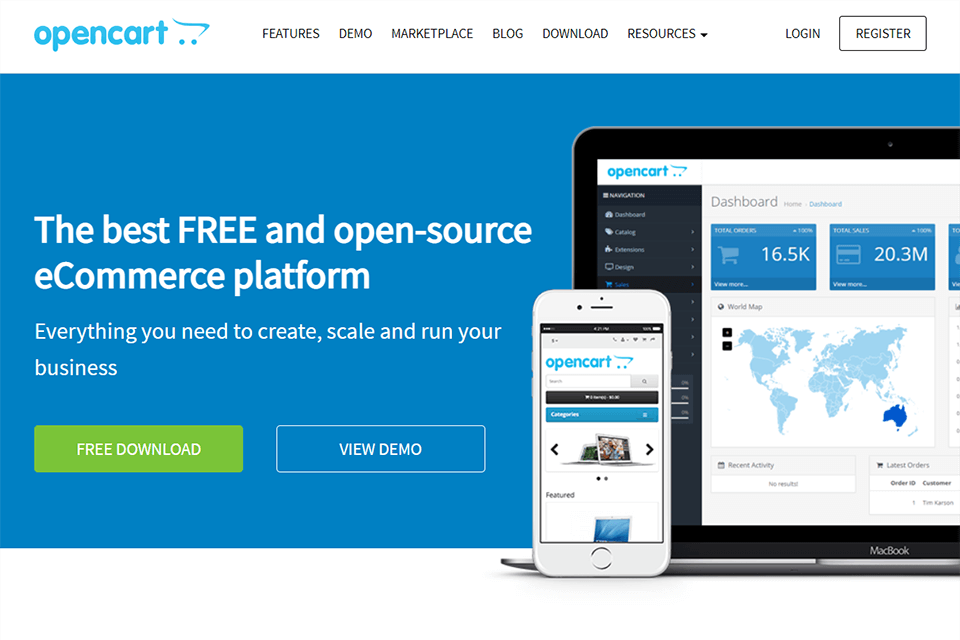
In 2025, many online sellers are reevaluating their eCommerce platforms, seeking alternatives to Shopify due to concerns about costs, customization limitations, and platform control. OpenCart has emerged as a compelling option, offering a free, open-source solution that provides greater flexibility and ownership.
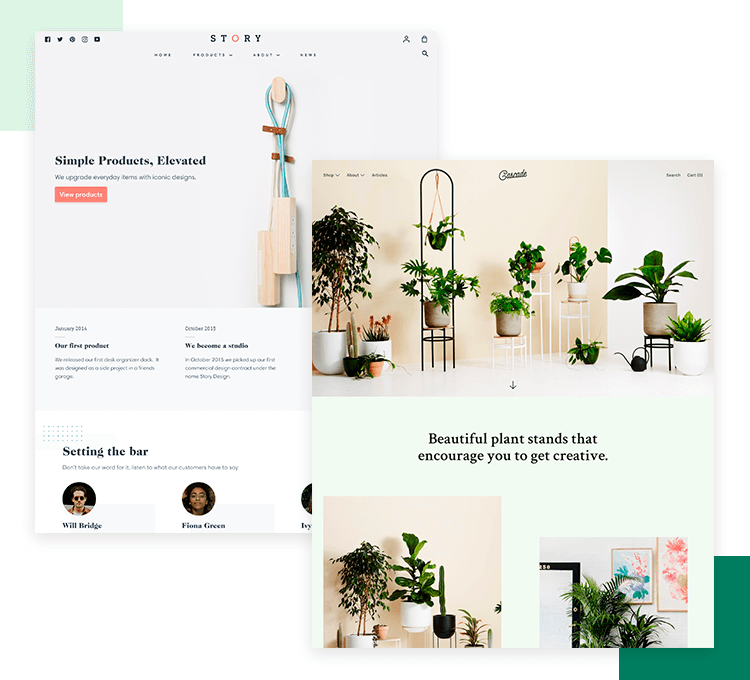
Why Sellers Are Searching for Shopify Alternatives in 2025
1. Rising Operational Costs
Shopify’s monthly subscription fees, which start at $39, can escalate quickly with the addition of necessary apps and themes. Many essential features, such as advanced SEO tools or multi-currency support, often require paid add-ons, increasing the total cost of ownership. Additionally, Shopify imposes transaction fees unless merchants use Shopify Payments, adding to the financial burden.
2. Limited Customization and Flexibility
While Shopify offers a user-friendly interface, it restricts access to its core code, limiting the ability to implement custom features or integrations. This can be a significant drawback for businesses with specific needs or those looking to create a unique customer experience. In contrast, platforms like OpenCart provide full access to the source code, allowing for extensive customization.
3. Platform Lock-In Concerns
Shopify is a hosted solution, meaning that merchants are tied to its infrastructure. Migrating away from Shopify can be complex and time-consuming, often involving data export limitations and compatibility issues. This lack of portability can be a concern for businesses seeking long-term flexibility and control over their online stores.
4. Need for Greater Control and Ownership
As businesses grow, the need for complete control over their eCommerce platform becomes more critical. OpenCart, being self-hosted, allows merchants to choose their hosting environment, implement custom security measures, and have full ownership of their data. This level of control is particularly appealing to businesses with specific compliance requirements or those operating in regulated industries.
In summary, the search for Shopify alternatives in 2025 is driven by the desire for cost-effective solutions, greater customization capabilities, and enhanced control over the eCommerce environment. OpenCart addresses these concerns, making it a strong contender for businesses looking to optimize their online presence.
In 2025, choosing the right eCommerce platform is crucial for businesses aiming to establish or expand their online presence. Two prominent options are Shopify and OpenCart, each offering distinct features and benefits. This section provides a detailed comparison to help you determine which platform aligns best with your business needs.
OpenCart vs. Shopify: Key Differences That Matter
1. Pricing and Cost Structure
-
OpenCart: As an open-source platform, OpenCart is free to download and use. However, users are responsible for additional costs, including hosting, domain registration, SSL certificates, and any premium extensions or themes they choose to implement. This model offers flexibility but requires careful budgeting to manage cumulative expenses.
-
Shopify: Shopify operates on a subscription-based model with tiered pricing plans. Each plan includes hosting, security, and support, providing a comprehensive package. While this approach simplifies budgeting, it may result in higher ongoing costs compared to OpenCart, especially when factoring in transaction fees and premium app subscriptions.
2. Ease of Use and Setup
-
OpenCart: Setting up OpenCart requires a degree of technical proficiency. Users must manage hosting environments, install the platform, and configure settings manually. This hands-on approach offers deep customization but may be challenging for those without technical backgrounds.
-
Shopify: Designed for ease of use, Shopify offers a user-friendly interface with guided setup processes. Users can quickly launch stores without coding knowledge, making it accessible for beginners and those seeking a streamlined setup experience.
3. Customization and Flexibility
-
OpenCart: Being open-source, OpenCart allows for extensive customization. Developers can modify core files and create tailored functionalities to meet specific business requirements. This flexibility is ideal for businesses with unique needs or those seeking to differentiate their online stores.
-
Shopify: While Shopify offers customization through themes and apps, it has limitations due to its proprietary nature. Advanced customizations may require workarounds or additional apps, which could increase costs and complexity.
4. Extensions and App Ecosystem
-
OpenCart: OpenCart boasts a vast marketplace with over 13,000 extensions, covering various functionalities such as payment gateways, shipping methods, and marketing tools. Many extensions are free or available at a one-time cost, providing cost-effective options for enhancing store capabilities.
-
Shopify: Shopify’s App Store offers a wide range of applications to extend store functionality. While the ecosystem is robust, many apps require monthly subscriptions, which can add to the overall cost of running a Shopify store.
5. Support and Community
-
OpenCart: Support for OpenCart primarily comes from its community forums and third-party developers. While this can be a valuable resource, official support is limited, and users may need to rely on external assistance for complex issues.
-
Shopify: Shopify provides 24/7 customer support through various channels, including live chat, email, and phone. This dedicated support can be beneficial for resolving issues promptly and ensuring smooth store operations.
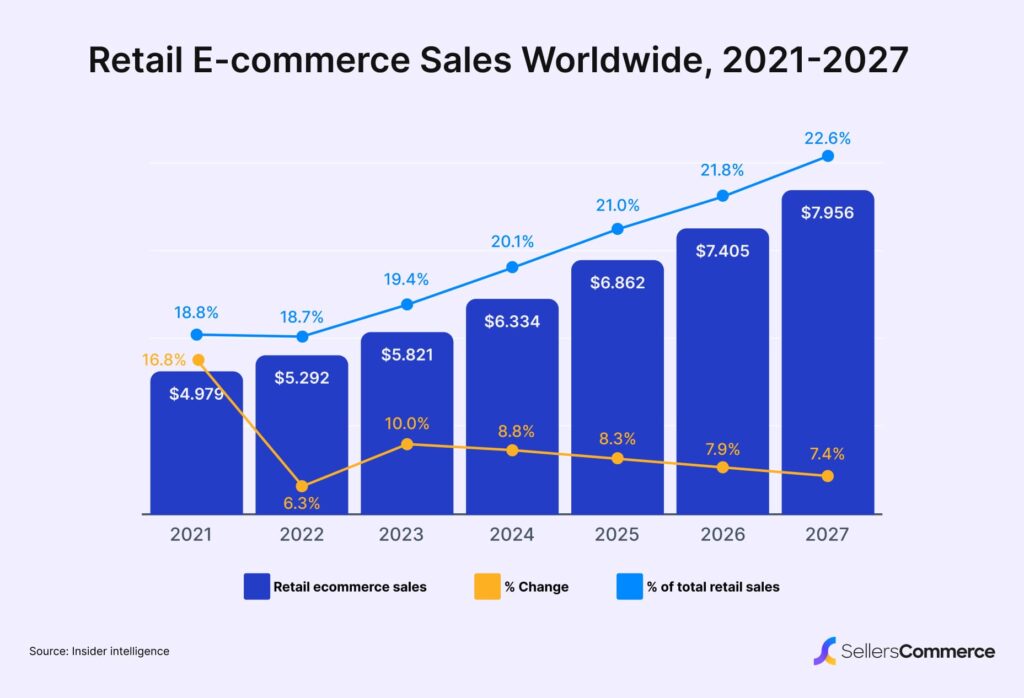
In summary, OpenCart offers a flexible, cost-effective solution for businesses with technical expertise and specific customization needs. Conversely, Shopify provides an all-in-one, user-friendly platform suitable for those seeking ease of use and comprehensive support. Your choice between the two should align with your business goals, technical capabilities, and budget considerations.
In the evolving landscape of eCommerce platforms in 2025, businesses are continually assessing options that align with their operational needs and growth aspirations. OpenCart emerges as a compelling alternative to Shopify, offering distinct advantages in customization, cost-effectiveness, and control. This section delves into the key reasons why OpenCart stands out as the preferred choice for many online retailers.
7 Reasons OpenCart Is the Best Shopify Alternative in 2025
1. Open-Source Flexibility
OpenCart’s open-source nature provides unparalleled flexibility, allowing businesses to tailor their online stores to specific requirements. This level of customization is particularly beneficial for retailers with unique product offerings or specialized customer experiences.
2. Cost-Effective Operations
Unlike Shopify’s subscription-based model, OpenCart is free to download and use. While there are costs associated with hosting, domain registration, and premium extensions, businesses have greater control over their expenditures, avoiding recurring monthly fees.
3. Extensive Extension Marketplace
OpenCart boasts a vast marketplace with over 13,000 extensions, enabling businesses to enhance their store’s functionality across various domains, including payment processing, shipping, and marketing. This extensive library allows for scalable and customizable solutions tailored to specific business needs.
4. Full Ownership and Control
With OpenCart, businesses maintain complete ownership of their online store and data. This autonomy facilitates greater control over store operations, data privacy, and the ability to implement custom features without platform-imposed restrictions.
5. Scalability for Growth
OpenCart’s modular architecture supports scalability, accommodating businesses as they expand their product lines, customer base, and market reach. This adaptability ensures that the platform can evolve in tandem with business growth.
6. Robust Community Support
A vibrant community of developers and users surrounds OpenCart, offering extensive support through forums, documentation, and third-party services. This collaborative environment fosters continuous improvement and innovation within the platform.
7. Enhanced SEO Capabilities
OpenCart provides comprehensive SEO tools, enabling businesses to optimize their online presence effectively.Features such as customizable meta tags, SEO-friendly URLs, and integration with analytics tools contribute to improved search engine visibility.
In summary, OpenCart’s open-source flexibility, cost-effectiveness, and robust feature set position it as a formidable alternative to Shopify in 2025. For businesses seeking greater control, customization, and scalability in their eCommerce operations, OpenCart offers a compelling solution.
7 Reasons OpenCart Is the Best Shopify Alternative in 2025
Choosing the right ecommerce platform in 2025 isn’t just about getting online—it’s about long-term sustainability, cost control, and ownership. Many store owners are moving away from closed systems like Shopify and turning to free Shopify alternatives that give them more freedom and flexibility. OpenCart is at the top of that list. Here’s why it stands out as the best open source ecommerce platform today.
1. You Don’t Pay Monthly Fees
OpenCart is completely free to use. There’s no subscription. No platform-imposed transaction fees. You only pay for your hosting, and if needed, optional extensions. For startups and cost-sensitive businesses, this structure is a game changer compared to Shopify’s rising monthly costs and recurring app fees.
Use Case Example:
A small apparel brand using Shopify might pay $39/month plus $15 for a shipping app and $29 for abandoned cart recovery. That’s $1,008/year. With OpenCart, they host their site for $60–100/year and use free or one-time-fee extensions to achieve the same functionality.
2. You Control Your Store, Not a Platform
With Shopify, your store exists inside a closed ecosystem. You’re limited by their permissions, rules, and infrastructure. OpenCart is self-hosted, which means you choose where and how your store runs—and you keep full ownership of your data.
This makes OpenCart ideal for businesses concerned about data privacy, compliance, or long-term independence.
3. Complete Design Freedom and Code Access
OpenCart is an open source ecommerce platform, which means every line of code is accessible. If you want to tweak checkout behavior, modify product display logic, or overhaul how categories work, you can. No workarounds. No limitations.
This is especially useful for developers or business owners who want full creative control—something Shopify only offers to a limited extent even on its highest plans.
4. Huge Marketplace of Extensions Without Subscription Bloat
The OpenCart Marketplace offers over 13,000 free and premium extensions. Need SEO tools, payment gateways, Facebook integrations, or loyalty programs? They’re available—often with a one-time fee rather than a monthly charge.
Unlike Shopify’s app ecosystem, which often stacks $10–$50 monthly per app, OpenCart helps you grow without stacking costs over time.
5. Better SEO Control from Day One
OpenCart comes with built-in SEO features, including:
-
Editable URLs
-
Custom meta titles and descriptions
-
Canonical tags
-
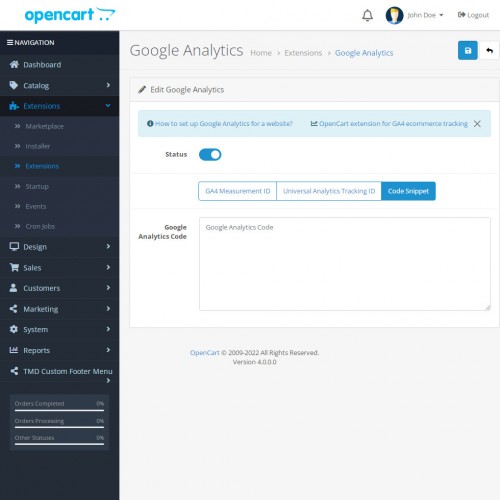
Google Analytics and Tag Manager integration
These tools give businesses more visibility in search—without needing to pay for an additional “SEO Pro” app. Shopify SEO settings are much more limited by default.
6. Scalable for Stores of Any Size
Whether you’re selling five products or five thousand, OpenCart can scale with you. It supports:
-
Unlimited products and categories
-
Multi-language and multi-currency support
-
Multiple stores from a single admin panel
This makes it a solid Shopify alternative not just for small businesses, but also for global sellers and growing brands.
7. Supported by a Global Developer Community
OpenCart isn’t a new player. It has a global user base and an active developer ecosystem. You’ll find thousands of community-contributed themes, guides, and support forums—as well as professional developers who specialize in OpenCart.
This makes troubleshooting and custom development more accessible and affordable than hiring Shopify Plus experts.
Conclusion
If you’re looking for the best Shopify alternative in 2025 that offers freedom, affordability, and control, OpenCart checks all the boxes. From startups to enterprises, it empowers you to build, grow, and fully own your ecommerce presence—without giving away a piece of it every month.



I completely agree OpenCart is a terrific platform for building an online store. Its open-source nature provides unparalleled flexibility, allowing businesses to tailor their stores precisely to their needs. The extensive range of extensions and themes makes customization straightforward, and the active community offers invaluable support. For growing businesses seeking control and scalability without the hefty price tag, OpenCart is indeed a standout choice.
Thank you so much for your thoughtful comment! We’re thrilled to hear you’re enjoying the flexibility and scalability that OpenCart offers. As you pointed out, the open-source nature, diverse extensions, and active community truly make it a powerful solution for businesses of all sizes. We’re proud to support a platform that empowers entrepreneurs to build exactly what they envision without breaking the bank. Thanks again for sharing your experience!
As a developer, I recommend OpenCart to all my clients. It’s simple, fast, and highly customizable.
Thank you for the recommendation! It means a lot coming from a developer. We’re glad you find OpenCart simple, fast, and customizable it’s exactly what we aim to deliver. Your trust in recommending it to your clients is the best endorsement we could ask for. We’re here to support you and your clients every step of the way!
Been running my store on OpenCart for 3 years now. It’s super stable and customizable. I can tweak anything I need.
Thank you for sharing your experience! It’s fantastic to hear that OpenCart has been a stable and customizable solution for your store over the past 3 years. We love hearing how store owners like you are making the most of its flexibility. Wishing you continued success with your business and we’re always here if you need support or new ideas!
OpenCart + a good theme = everything you need to run a solid online store. Way better ROI than Shopify.
Absolutely agree! OpenCart paired with the right theme really does offer everything you need for a powerful, professional online store without the ongoing costs of platforms like Shopify. We’re glad you’re seeing such great ROI, and we appreciate you highlighting the value OpenCart brings to growing businesses.
I love how lightweight OpenCart is. Shopify was too bloated and expensive for my small shop.
Thanks for sharing your experience! We’re glad to hear OpenCart’s lightweight structure is a better fit for your shop. One of our goals is to keep things fast, flexible, and affordable especially for small businesses looking to grow without unnecessary overhead. Wishing you continued success with your store!
I use OpenCart with a few extensions and it works great. Much better than being locked into Shopify’s ecosystem.
Thanks for your comment! We’re glad to hear OpenCart is working well for you. The ability to choose your own extensions and avoid platform lock-in is a big part of what makes OpenCart so powerful. Flexibility and freedom are key and it’s great to see you making the most of both!
OpenCart saved my business. I was paying so much in subscription fees and apps with Shopify. Now I just pay for what I really need.
Thank you for sharing that it means a lot to hear OpenCart made such a difference for your business. One of our core goals is to give store owners full control without the heavy subscription costs. We’re thrilled you’re now only paying for what you truly need. Wishing you continued success and growth!
Just switched from Shopify to OpenCart this year and honestly… I wish I had done it sooner. So much more freedom and no monthly fees eating into my profits.
We love hearing this welcome to OpenCart! That extra freedom and control, without the monthly fees, really does make a big difference for growing businesses. We’re glad you made the switch and hope it continues to be a game-changer for your store!
The number of features opencart and sheer versatility of the platform can leave us in awe.
Thank you! We couldn’t agree more the versatility and feature-rich nature of OpenCart are what make it such a powerful platform for businesses of all sizes. It’s always inspiring to hear how users appreciate the depth and flexibility it offers. We’re excited to see what you build with it!
As a developer and eCommerce enthusiast, I’ve worked with several platforms over the years, and I must say — OpenCart has consistently impressed me with its performance, flexibility, and ease of use.
What makes OpenCart truly stand out is its lightweight architecture and developer-friendly environment. Whether you’re setting up a small boutique store or managing a large catalog with thousands of products, OpenCart scales beautifully.
What I loved most:
1. Clean and intuitive admin interface
2. Extensive extension marketplace
3. Multi-store & multi-language support
4. SEO-friendly & performance optimized
5. Strong community and documentation
Whether you’re a developer, store owner, or agency, OpenCart is a solid choice for creating secure, fast, and customizable online stores. It strikes the perfect balance between simplicity and power, and I highly recommend it to anyone looking to build a professional eCommerce presence.
OpenCart all the way! Much better, much more flexible and innovative. Real game changer.
The one-time setup with OpenCart might take a bit longer, but in the long term, you’ll save a lot of money and stress.
I tried shopify but I find Opencart a lot better. Totally recommended!
OpenCart is an outstanding e-commerce solution. It’s easy to set up and use, even for beginners, while offering plenty of customization options for experienced users. The performance is fast and reliable, and the marketplace has a ton of useful extensions to enhance your store. If you run a store on any other platform, I highly recommend you switch, its worth it.
For anyone who likes control and flexibility, OpenCart is a no-brainer. And it’s free. What else do you need?