





Understanding the B2C E-commerce Model: Key Features, Benefits, and Challenges
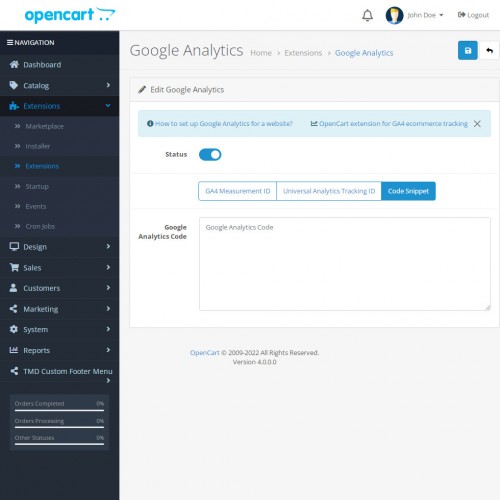
How to Optimize the B2C E-Commerce Experience Through UX, Analytics, and Emerging Technologies
- The B2C e-commerce model allows companies to interact directly with consumers, revolutionizing the way people shop by providing convenient online access to products and services.
- Various b2c models such as direct selling, online intermediaries, advertising, community-based and fee-based fulfil different market segments and revenue needs.
- The B2C world is characterized by transactions that are quick and often, decision cycles that are short, and purchases influenced by emotions which means that user experience, one-click checkouts and responsive customer service are essential.
- Leverage technology, including data analytics, e-commerce platforms, and secure payment gateways, to optimize your operations, understand consumer behavior, and build trust.
- Creating customer loyalty is based on clear business practices, taking the initiative on safety and creating a constant feedback loop, which establishes consumer trust.
- To stay ahead in the game, companies need to be innovative, sustainable and use emerging technologies such as immersive retail and predictive analytics to deliver on new consumer expectations and transform the shopping experience.

B2C e-commerce model refers to business-to-consumer online sales, where companies directly market goods or services to individuals rather than other companies.
These are online stores and marketplaces as well as brand sites. It enables shoppers to browse selections, review information and purchase online from anywhere.
B2C sites utilize secure payment methods and user information to provide enhanced discounts.
To illustrate how this model plays out in real life, the following section will present actual examples and key tools.
What is the B2C E-commerce Model?
The direct sale of goods or services by a business to individual consumers through online means is what defines the B2C e-commerce model. This arrangement eliminates middlemen, simplifying transactions and allowing businesses to design the consumer experience from end to end. In the realm of online B2C e-commerce, companies can leverage advanced technologies to enhance their offerings.
B2C e-commerce has caused a fundamental change in consumer shopping behavior, as online retailers provide unprecedented convenience, more variety, and frequently better prices than brick-and-mortar counterparts. Businesses can now focus on individual customers’ needs and customize offers, which means more personalized, flexible interactions.
Some of the key technologies that make B2C e-commerce work include various e-commerce platforms that facilitate seamless transactions and improve customer engagement, allowing businesses to thrive in the competitive B2C market.
- Secure online payment systems (credit card processing, digital wallets)
- Real-time inventory management
- User-friendly website and mobile app interfaces
- Data analytics and customer personalization tools
- Automated customer service (chatbots, self-service options)
- Scalable cloud hosting for reliable uptime
- Delivery tracking and logistics integration
1. Direct Sellers
Direct sellers are companies who sell their product or services directly to the end user, bypassing retailers or distributors. Apple does this well, selling its devices and software directly via its online store and branded retail stores.
These companies develop brand loyalty through a reliable experience and responsive support. Its primary advantage for direct sellers is direct communication lines to customers. This provides them the opportunity to gather input, optimize products and deliver quicker assistance.
Without a middleman, they can set their own prices and marketing approaches, enabling them to move rapidly in response to trends or customer desires. Owning the entire process, direct sellers can maintain quality and craft special shopping experiences.
2. Online Intermediaries
Digital marketplaces, or online intermediaries connect buyers and sellers. Flipkart is one such example, serving as a platform that allows a plethora of brands and individual sellers to access an enormous customer base.
These platforms facilitate the customer’s discovery and purchase of a broad range of products. Sellers benefit from the large, existing user base and marketing strength of these intermediaries, increasing their exposure and sales opportunities.
The standard business model here is commission, with the middleman making a cut of every transaction. It allows new and smaller sellers to go head to head with big brands.
3. Advertising-Based
Advertising-based B2C platforms, like Facebook, derive the majority of their revenue from ads attached to content. These companies leverage intimate user data to allow advertisers to target the right individuals with relevant messaging.
That you can only succeed if you keep users coming back to your site with new content and a compelling service. Platforms must carefully balance advertisement volume with a seamless user experience, or else face the risk of losing the audience.
If a company knows what really brings its users back, it can optimize its ad model for that type of engagement.
4. Community-Based
Community-based B2C models cater to groups of users with a common interest or need. Myntra, for example, builds a fashion-centric community where customers can interact with each other and exchange ideas.
These platforms create customer loyalty by engendering a sense of belonging. Social features, such as forums or user reviews, are crucial. They make shopping more engaging and help users trust what others with similar styles suggest.
This community spirit invites return visits and cultivates loyalty.
5. Fee-Based
Fee-based B2C models charge users for premium products or services. Netflix are a prime example, providing exclusive streaming content for a monthly fee.
The lure of exclusive content fuels registration and repeat charges provide firms with a reliable revenue stream. By satisfying customers’ hunger for new functionality or content, companies keep them coming back, fueling sustainable growth.
B2C Versus Other Models
The B2C e-commerce model is built around transactions between companies and single end-users, distinguishing itself from business-to-business (B2B) models. This online B2C e-commerce approach addresses many more and varied people sometimes billions globally. It focuses on rapidity, ease, and access by utilizing digital channels, which significantly reduces costs and extends reach for B2C ecommerce businesses.
|
Model |
Target Audience |
Transaction Frequency |
Marketing Strategy |
|---|---|---|---|
|
B2C |
Individual consumers |
High |
Mass appeal, emotional |
|
B2B |
Businesses |
Low |
Relationship-based |
|
C2C |
Consumers |
Medium |
Peer recommendations |
|
C2B |
Businesses |
Low |
Value proposition |
Transaction Focus
B2C e-commerce is about single-item or small-basket purchases by individuals not bulk purchases as in B2B. This focus on individual customers means B2C companies have to handle far more transactions. Their systems must manage thousands or millions of checkouts a day, each one needing a smooth experience.
A frictionless, fast checkout is essential; even a few seconds of delay can cost you sales – consumers have countless other options. Marketing and sales in B2C are about broad appeal. Campaigns often leverage social media channels, influencer partnerships, and targeted ads to generate traffic and conversions.
It’s the simplicity of the process the registration is fast and requires little more than an e-mail address and password. By comparison, B2B goes through a long onboarding and approval process. Because B2C buyers have smaller, more frequent purchases, building loyalty means handling lots of short transactional relationships and employing data analytics to personalize outreach.
Transaction frequency compels B2C businesses to invest in scalable CRM systems. Unlike B2B, where each customer is a big piece of revenue, B2C needs to track and cultivate thousands of relationships at once.
Decision Cycle
B2C consumers have a short decision cycle, particularly within the context of online B2C ecommerce. Almost all decisions occur within minutes or hours, while a few extend into days rarely longer. Emotional triggers think flash sales, limited time offers, or product reviews play a significant role. B2C buyers can be influenced by what looks or feels or is presented at the moment, making the B2C ecommerce model crucial for success.
Impulse buying characterizes B2C transactions. Companies take advantage of this by incorporating ‘Buy Now’ buttons, one-click checkouts, and featuring hot products on their B2C ecommerce platforms. Easy-to-understand product catalogs, one price for everyone, and non-negotiable prices reduce decision friction and drive speedy action.
Businesses shape their marketing strategies for urgency and ease. They employ retargeting ads and personalized recommendations to nudge B2C customers into fast decision making. Reacting quickly to trends and customer behavior is a significant advantage in the B2C sector.
Relationship Dynamics
B2C customer relationships are largely transactional. These interactions are informal and, at best, typically restricted to the purchase and support stages. Still, good customer service, fast problem solving, convenient returns, and useful FAQs can make one-time purchasers become loyal ones.
Customer input is a treasure. Reviews and ratings impact everyone and influence product development. B2C companies track these channels and react accordingly.
Brand loyalty fuels long-term growth. Reliable quality, good experiences, and compelling messaging make B2C brands distinct. The bond isn’t as deep as in B2B, but with strong branding and clever, targeted marketing, you can build a tribe of loyalists even in a crowded marketplace.
The Customer Journey Reimagined
B2C ecommerce transformed the shopping experience by connecting digital touchpoints into the purchase journey. The journey is not linear with customers jumping back and forth between channels such as websites, mobile apps, social media and online ads. Today’s brands have to sculpt this journey to align with increasing expectations for seamless, effortless interactions.
Consumers demand seamless, convenient, and informative experiences every time they make a purchase. As consumers shop and shop, their experience frequently counts as much as the merchandise. Technology assists in this effort by monitoring behavior, automating communication, and personalizing content. Businesses that do keep up tend to have higher loyalty and stronger sales.
The B2C customer journey typically follows these stages:
- Awareness – shoppers discover brands via search, social posts, or web ads.
- Consideration – They contrast offerings, gather reviews, and balance choices across touchpoints.
- Conversion – After sufficient exposures sometimes the rule of 7 they purchase.
- Retention – After purchase, brands cultivate loyalty via support, feedback, and promotions.
- Advocacy – Happy customers spread the word or impact others, typically on social media.
With technology at its core in every step, analytics and automation allow brands to identify trends, customize messaging, and engage with people on their terms. With 71% of shoppers utilizing various channels based on their requirement, it’s critical for brands to maintain the journey seamless. Tracking statistics such as time in consideration allows companies to optimize the funnel and maintain interest.
Emotional Connection
Creating emotional bonds powers sustainable business expansion in B2C e-commerce. Storytelling and branding allow businesses to display their character and principles, making customers feel heard and validated. Because when brands tell real stories about their purpose or happy customers buyers can identify and recall.
Personalized marketing (emails, recommendations, etc.) creates closer connections. These touches demonstrate to customers that they are appreciated as people, not statistics. When buyers experience an easy, enjoyable journey, they feel good about the brand. Over time this accumulates trust and increases likelihood of being sold to again.
Hyper-Personalization
Hyper-personalization is about reshaping every shopping journey to individual needs. Data analytics fuel this based on purchase history, browsing habits and comments, it can recommend products or discounts customized to a single shopper. Knowing segments of customers–such as new visitors vs. Loyal buyers allows brands to personalize offers and messaging for each segment.
Hyper-personalization makes customers happy and keeps them returning. When people are exposed to products that fit their style, they linger and they spend.
Social Commerce
Social commerce combines e-commerce with social networking, enabling users to make purchases directly through social media platforms. Instagram, Facebook, etc. Add shopping tools, tags, shops, live demos so that users can browse and purchase without leaving the feed.
UGC content, like reviews and unboxing videos, lends them authenticity. Influencers count as well, with 74% of individuals stating they’ve purchased a product following a recommendation. Brands that respond to comments or repost customer posts create trust and ignite additional purchases.
Operational Pillars for Success
Operational greatness is the foundation of any online B2C e-commerce business. It relies on how well the business can deal with core processes, consumer needs, and the fast-changing digital commerce landscape. The following pillars are critical for establishing and maintaining competitive advantage in this fluid B2C market.
Supply Chain
A smart supply chain is the backbone of B2C e-commerce. How fast and precise orders are filled translates directly into customer satisfaction and their likelihood of returning. To minimize delivery windows and costs, particularly for online B2C customers expecting curbside pickup or same-day delivery, warehousing and logistics must be optimized. World-class organizations, for instance, employ regional fulfillment centers to maintain shipping windows of 2 days or less, which significantly boosts customer confidence and loyalty.
For instance, world-class organizations use regional fulfillment centers to maintain shipping windows of 2 days or less, increasing customer confidence and loyalty. Inventory is another key. Bad stock management means overstock and stock outs and lost sales. Intelligent inventory management monitors trends and dynamically reorders to accommodate seasonal and surprise demand fluctuations.
Flexibility remains essential in the B2C ecommerce market. When market conditions change or supply disruptions occur, businesses need agile supply chains that can quickly scale or reroute to prevent service gaps. This adaptability ensures that customers receive exactly what they want, precisely when they want it, without unnecessary delays.
Technology Stack
The tech stack is the bedrock of B2C ecommerce experiences in online operations. It comprises the ecommerce platform, content management tools, CRM, analytics engine, and security layers. Selecting an appropriate B2C ecommerce platform based on business scale, product volume, and financial resources is crucial. A bad decision early on can stunt growth or lead to high maintenance costs.
Gateways such as Stripe and PayPal are essential for safe and easy checkout. If the checkout process is slow or complicated, online shoppers abandon carts, causing sales to plummet. Integrating CRM with the ecommerce platform allows B2C ecommerce businesses to manage customer data effectively, tailor offers, and provide attentive service.
Well-connected systems minimize manual labor, eliminate mistakes, and assist in providing every customer with a seamless, frictionless experience. When everything in the tech stack integrates, businesses can offer consumers convenient return options, mobile-friendly checkout, and order tracking. This level of convenience is no longer a perk; it’s table stakes in the competitive B2C market.
Data Analytics
Data analytics converts data into action. By observing users, product teams identify pain points and inefficiencies. This knowledge drives focused marketing and customized product suggestions, which both increase conversion rates.
With analytics, businesses measure campaign results and website performance in depth. Metrics such as bounce rate, cart abandonment, and customer lifetime value show us what’s working, and what needs mending. CRM systems know how to follow and crunch each customer’s path, so they can more easily hold onto loyal purchasers, who are far cheaper than new ones.
Data-driven decisions aren’t limited to sales and marketing, either–they help you optimize inventory, pricing, and future product lines. When customers recognize that their needs are being met, they come back more frequently–increasing both loyalty and sales.
Building Trust and Loyalty
Trust is the foundation of any enduring B2C relationship. In e-commerce, trust defines not only first impressions, but long term involvement. Customers want to know that the brand will follow through on promises, protect their information, and address grievances promptly.
When a company demonstrates itself to be dependable, transparent and trustworthy, customers feel more comfortable investing and returning. Consistent and open communication, clear policies, and swift response to feedback instills a sense of security that breeds loyalty.
Loyalty blossoms from positive, personalized interactionsbe it bonuses, customized offers, or just demonstrating compassion for client challenges. When brands behave authentically and with integrity, trust deepens, and people are more likely to come back and recommend them to others.
Security
- Use HTTPS encryption for all website pages
- Implement two-factor authentication during login and checkout
- Employ regular vulnerability scanning and penetration testing
- Store sensitive data securely with strong cryptographic algorithms
- Update software and plugins to patch known security risks
- Monitor network traffic for unusual behavior
- Maintain data backup and disaster recovery plans
Safe payment handling is essential. Through trusted gateways and tokenization, customer data is shielded minimizing fraud. When buyers recognize trusted payment methods–such as PayPal or popular credit cards they feel more secure about the purchase.
Transparency in the methods in which personal information is collected, stored, and used is important as well. Transparent privacy policies, accessible contact information and upfront details about data sharing all foster trust. Companies that articulate these points in straightforward language shine.
Routine security inspections identify vulnerabilities address before they escalate to issues. These audits demonstrate a dedication to protecting customer data and evolving to new risks, which is vital for preserving trust.
Transparency
Transparency involves communicating business practices and policies so customers have clear expectations. It eliminates uncertainty and assists in establishing reasonable expectations.
They want to know they have recourse if things go wrong. If shoppers realize they can return product or easily obtain refunds without stress, they will be less reluctant to purchase. This little move can do a lot in the way people see a brand’s integrity.
Trustworthy marketing counts. Claims have to line up with reality. Resisting the temptation to embellish or mislead demonstrates respect for customers. It saves disappointment and establishes a reputation for honesty.
In saturated markets, authenticity differentiates brands. They’re shopping around checking out reviews, policies, and product information before deciding where to purchase from. Plain talk is the way to earn trust and get noticed.
Feedback Loop
A feedback loop is simply a continuous cycle of businesses soliciting, hearing, and reacting to customer feedback. This loop is essential for growth.
Gathering feedback via surveys, reviews, or direct outreach demonstrates to customers that their opinions are important. It further enables businesses identify trends, correct pain points, and enhance products or services.
Short comments and star ratings show how happy people are. In-depth surveys provide you with more insight. Both tools assist brands in identifying what’s working and what needs to be changed.
Acting on feedback, particularly when they’re complaints or issues, is just as important as gathering it. Responsive, personable support makes your customers feel important and listened to. This creates a relationship that extends past the one-time transaction.
The Future of B2C
B2C e-commerce is evolving rapidly, driven by emerging technology and evolving consumer demands. To thrive in the competitive b2c market, companies must reinvent how they approach b2c ecommerce strategies or risk being left behind. The next wave will focus on a personalized shopping experience that is connected and conscious of the world around us.
|
Trend |
Implications for B2C E-commerce |
|---|---|
|
Artificial Intelligence |
Better personalization, smarter support, real-time insights |
|
Augmented/Virtual Reality |
Deeper product demos, more engaging shopping |
|
Blockchain |
Safer payments, more trust, supply chain transparency |
|
Social Commerce |
Shopping blends into social media, user-driven discovery |
|
Omnichannel Experiences |
Smooth flow between online, mobile, and in-store shopping |
|
Sustainability |
Need for eco-friendly practices and transparent communication |
|
Data Privacy & Security |
Businesses must protect data and be clear about its use |
|
Direct-to-Consumer (D2C) |
Brands get closer to buyers, gather direct feedback |
|
Hyperlocal & Real-Time |
Local ads, up-to-date stock info, faster fulfilment |
|
Subscription & Loyalty Models |
Focus on long-term relationships, not just one-time sales |
Immersive Retail
Immersive retail is about leveraging technology to make the shopping experience tangible and tactile — even when it occurs in a digital environment. AR allows consumers to test a shoe on their feet by superimposing images via their phone camera. VR can put buyers in a virtual store, wandering through aisles and grabbing products, while at home.
These tools don’t just look cool. They assist consumers in becoming more confident in their purchases, which reduces returns and increases conversions. A furniture brand that allows shoppers to try on a sofa in their living room in AR will get more confident buyers.
Providing these types of experiences assists brands to differentiate. While not every business can construct a full VR emporium, even basic features think: 360-degree product views can differentiate a shop. As more brands experiment with these concepts, those who implement them effectively will shine.
Sustainability
Consumers want brands to care about the planet. They seek out shops that utilize less plastic, pack with recycled components and reduce waste. If a company is transparent with how they produce and deliver products, consumers will trust them more.
Some brands now use solely paper or compostable wrap. Others allow buyers to monitor their orders’ carbon footprint. It’s crucial to be candid about these steps. Shoppers don’t just crave big promises, they crave proof. Companies that demonstrate obvious, tangible advancement like shipping with electric vans or giving consumers the option to receive slower, more sustainable delivery generally garner devoted followers.
Green moves enhance a brand’s cachet. When buyers discuss how a company assists the planet, that word-of-mouth can influence others and impact sales.
Predictive Commerce
Predictive commerce is a strategy that leverages data and advanced tools to anticipate what online shoppers desire before they even make a request. With the right data, b2c ecommerce businesses can identify what products are selling quickly or slowly and adjust their inventory accordingly. This enables them to deliver personalized shopping experiences, providing deals or reminders that cater to individual preferences rather than a one-size-fits-all approach.
AI and machine learning are crucial in this process. These tools analyze historical sales, web clickstreams, and even weather data to predict what will sell, when, and where. For instance, when an ecommerce store remembers your size and suggests new gear you might like, that’s a prime example of predictive commerce in action.
Implementing this approach leads to fewer out-of-stock situations and reduced waste, helping brands retain customers. If shoppers feel that the store understands their needs, they are likely to remain loyal. Brands that effectively utilize data will cultivate deeper relationships with their b2c customers.
Conclusion
To summarize, the b2c e-commerce model creates opportunities for consumers and merchants alike. Shops sell to more people, faster, with a couple of clicks. They shop anytime, anywhere and instantly receive what they desire. Big online stores in Asia, Europe and America demonstrate how fluid this model is. Quick shipping, secure pay and excellent chat support keep buyers returning. Brands earn trust with transparent details and generous returns. New tech, like smart chatbots and better mobile sites, mold the next move. To keep up, stores have to stay savvy and pay attention to consumers. Ready to get a leg up or create your own b2c shop? Continue studying, remain inquisitive, and rely on actual information to direct your actions.
Frequently Asked Questions
What is a B2C e-commerce model?
A B2C e-commerce model allows online businesses to sell products or services directly to individual customers through various online B2C ecommerce platforms.
How does B2C differ from B2B e-commerce?
B2C ecommerce focuses on selling to individual consumers, while B2B (business-to-business) targets other businesses. This model emphasizes high volume and quick turnaround in the competitive online B2C marketplace.
What are the key benefits of B2C e-commerce?
In the b2c ecommerce model, customers enjoy convenience, an extensive product selection, and simplified comparison shopping, while businesses can access worldwide markets through various b2c ecommerce platforms.
What are essential elements for B2C e-commerce success?
A great site, safe payment methods, dependable delivery, and customer service are essential for online B2C ecommerce businesses.
How can B2C businesses build trust online?
B2C ecommerce businesses can develop trust through open policies, safe payments, and attentive service.
What trends are shaping the future of B2C e-commerce?
Mobile shopping and faster delivery are huge trends in the online B2C ecommerce market, while personalization and sustainability are gaining traction in digital commerce.
What does the B2C customer journey involve?
The B2C customer lifecycle encompasses product discovery, research, purchase, delivery, and post-sales service all crucial for enhancing online B2C ecommerce experiences.
Author Bio:
Ben Ajenoui is the Founder of SEO HERO LTD, a Hong Kong–based SEO agency helping startups and established businesses improve search visibility, drive organic growth, and build sustainable online performance. He specialises in SEO strategy, technical optimisation, and content-led growth.