Volusion Review 2026 | Is This Veteran Platform Still Worth It?
Overall score: 6.9/10 Starting price: From $35/month Free trial: Yes Best for: Small physical-product stores wanting a no-transaction-fee hosted platform
Volusion has been around since 1999, which in ecommerce terms makes it close to ancient. That longevity cuts both ways. It means the platform has had decades to refine the basics, but it also means Volusion has spent recent years playing catch-up against competitors built with a more modern stack and a faster release cycle. This review looks at where that history shows, and where it still works in Volusion’s favor.
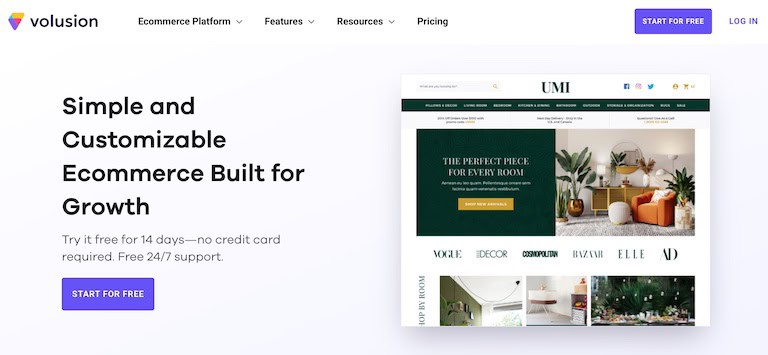
What Volusion Actually Is
Volusion is a hosted, SaaS ecommerce platform. Like Shopify or BigCommerce, you pay a monthly fee and get hosting, security, and the storefront software bundled together. You don’t touch a server, and you don’t own the underlying code. Volusion has recently shifted its product line from a legacy “V1” platform to a rebranded “V2,” and that transition is worth being aware of if you’re evaluating screenshots or reviews that might be describing the older version.
Getting Started
Setup follows the standard hosted-platform pattern: pick a plan, choose a template, load your products, connect a payment gateway. Adding products is straightforward through the admin dashboard, and one feature stands out early Volusion’s “suggested products” tool recommends related items to shoppers using short video, something competitors typically need a third-party app to replicate.
Where things get less impressive is the feature list once you look past the basics. Several capabilities merchants now expect as standard, such as saved carts, pre-orders, and digital download support, are missing entirely, even on the higher-tier plans. If your product line includes anything downloadable, this is worth knowing before you commit.
Pricing: What You Actually Pay
Volusion runs four plans. Personal starts at $35 a month, Professional sits at $79, Business runs $299, and an enterprise-level Prime plan is quoted individually. Each tier carries an annual sales volume cap rather than a simple feature gate, and exceeding that cap triggers an automatic upgrade to the next plan, whether you wanted it or not.
Real cost estimate: Once SSL, fraud protection, and the occasional forced plan upgrade from exceeding a sales cap are factored in, realistic total annual cost for a small store typically runs $600 to several thousand dollars a year, depending on how close you sit to your plan’s sales ceiling.
The one genuinely good piece of news: Volusion charges no transaction fees on any plan. You’ll still pay standard card processing rates through whichever of its 30-plus supported gateways you use, but Volusion itself doesn’t take a cut of each sale.
What Works Well
✓ Zero transaction fees, regardless of plan. For a high-volume store, this alone can outweigh a lot of the platform’s other shortcomings.
✓ Suggested products via video is a genuinely useful built-in feature. It’s the kind of cross-sell tool that usually costs extra elsewhere.
✓ Setup and day-to-day product management are simple. The admin interface doesn’t require technical skill, and small business owners consistently find the day-to-day workflow approachable.
✓ Decades of hosted-platform experience. The core checkout and order management functions are stable and well-tested, even if the surrounding feature set hasn’t kept pace.
Where It Falls Short
✗ No digital product support. If you sell ebooks, music, software, or any downloadable good, Volusion simply isn’t built for you. This is a hard limitation, not a workaround situation.
✗ Missing features that are now standard elsewhere. Saved carts, pre-orders, and product Q&A either don’t exist or require a separate paid app to bolt on.
✗ Sales caps create unpredictable cost increases. Growing past your plan’s annual sales limit forces an upgrade, which can mean an unplanned cost jump right when your business is doing well.
✗ User satisfaction trails the bigger platforms. Volusion’s review scores on sites like G2 sit meaningfully behind competitors such as BigCommerce, particularly on product direction and how well the platform adapts to specific workflow needs.
Who Should Use Volusion
Volusion fits a fairly narrow case well: a small to mid-sized store selling physical products, with sales volume that comfortably sits within one plan tier, where the appeal of zero transaction fees outweighs the missing modern features. If your catalog is simple and you don’t need digital downloads, subscriptions, or deep customization, Volusion will get the job done without much friction.
Who Should Look Elsewhere
If you sell anything digital, look elsewhere immediately. If you want a platform that’s actively expanding its feature set and app ecosystem, BigCommerce or Shopify will feel noticeably more current. And if your sales volume fluctuates significantly year to year, the sales-cap pricing model is worth weighing carefully against flat-fee competitors.
Our Verdict
Volusion is a platform that’s coasting on the strength of its history rather than racing ahead on innovation. The no-transaction-fee model is a real advantage, and the basics of running a small physical-goods store work fine. But the missing features, the lack of digital product support, and the sales-cap pricing structure mean it’s hard to recommend over more actively developed competitors unless the fee structure specifically favors your situation.
Score Breakdown
| Category | Score |
|---|---|
| Ease of use | 7.5/10 |
| Features | 5.8/10 |
| Pricing value | 6.5/10 |
| Customer support | 7.0/10 |
| Checkout quality | 7.2/10 |
| SEO tools | 6.5/10 |
| Overall score | 6.9/10 |